

Show all 11 photos on the page Show fewer photos

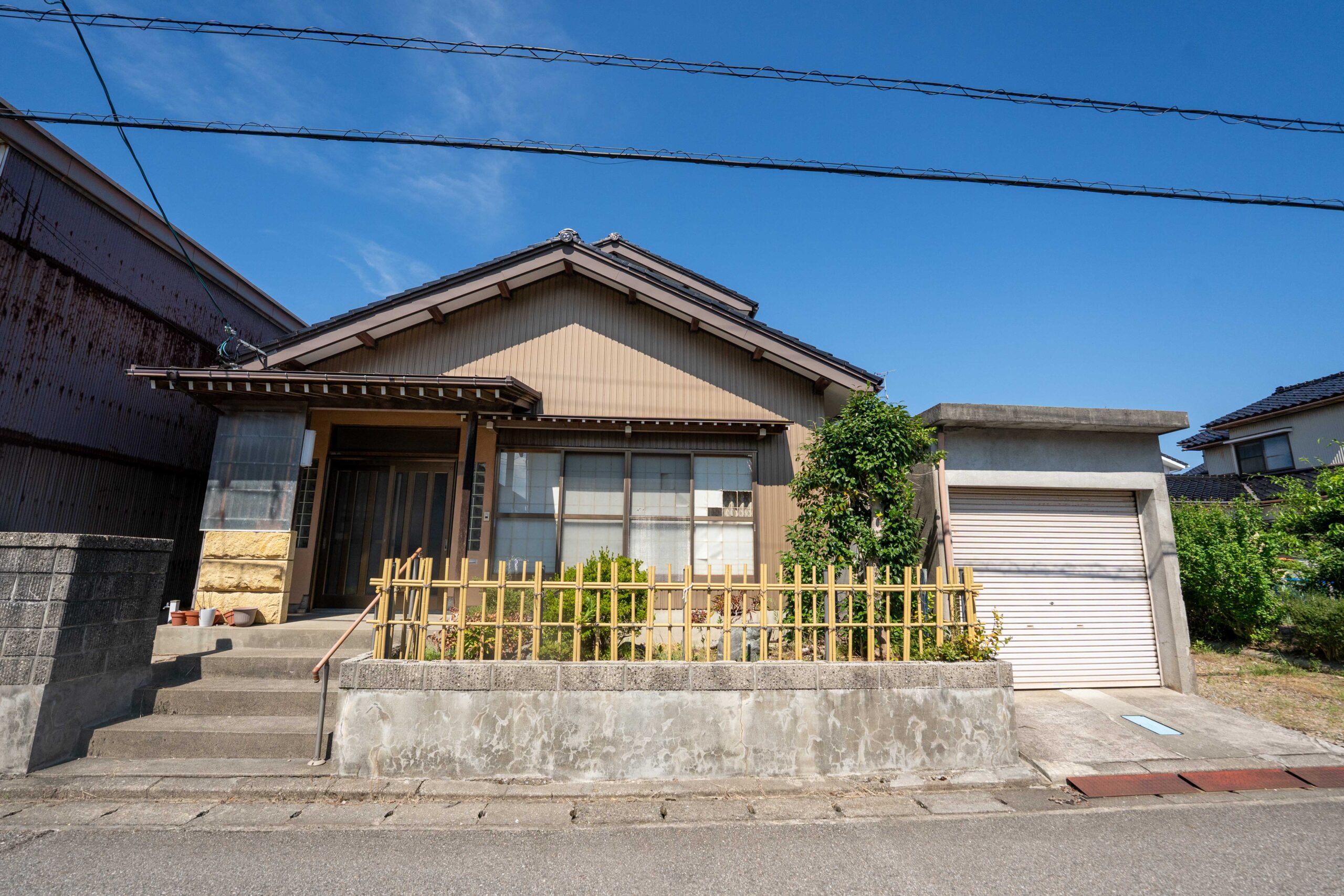
1960s wood house in Toyama
Himi, Toyama
- Year built
- 1962
- Building size
- Not available
- Land size
- Not stated
- Structure
- Traditional wood

Saved homes live in this browser. View your saved homes
From the listing
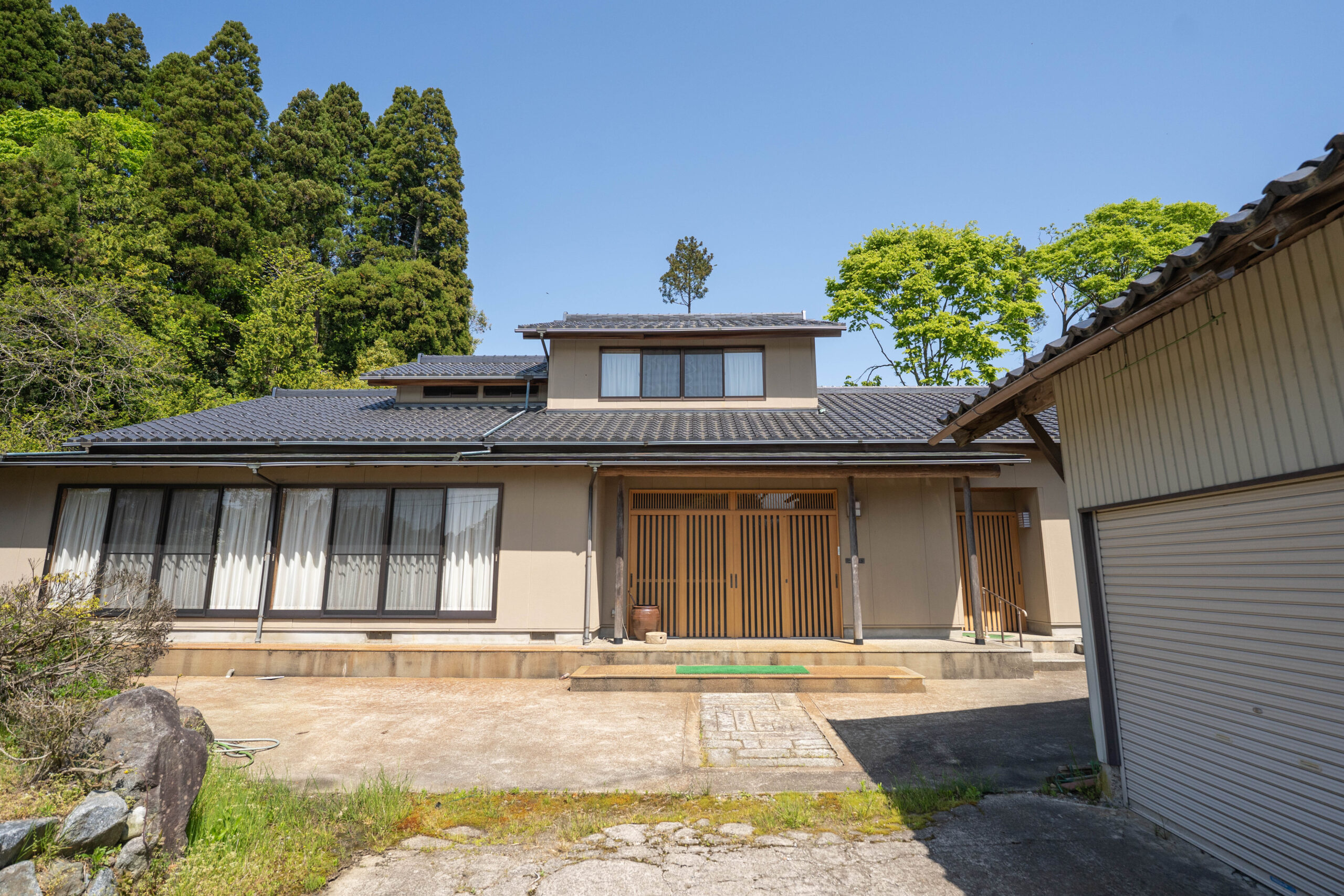
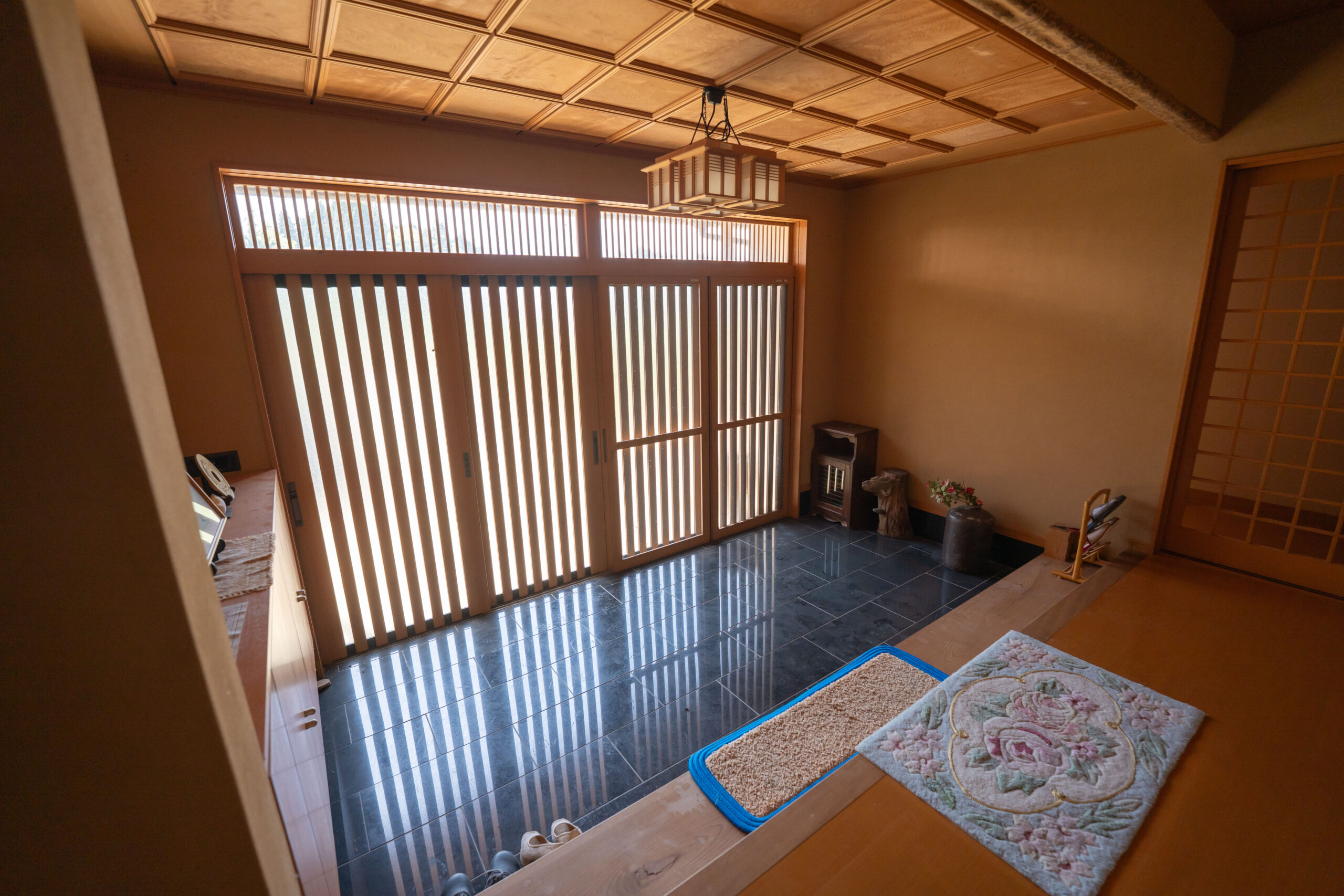
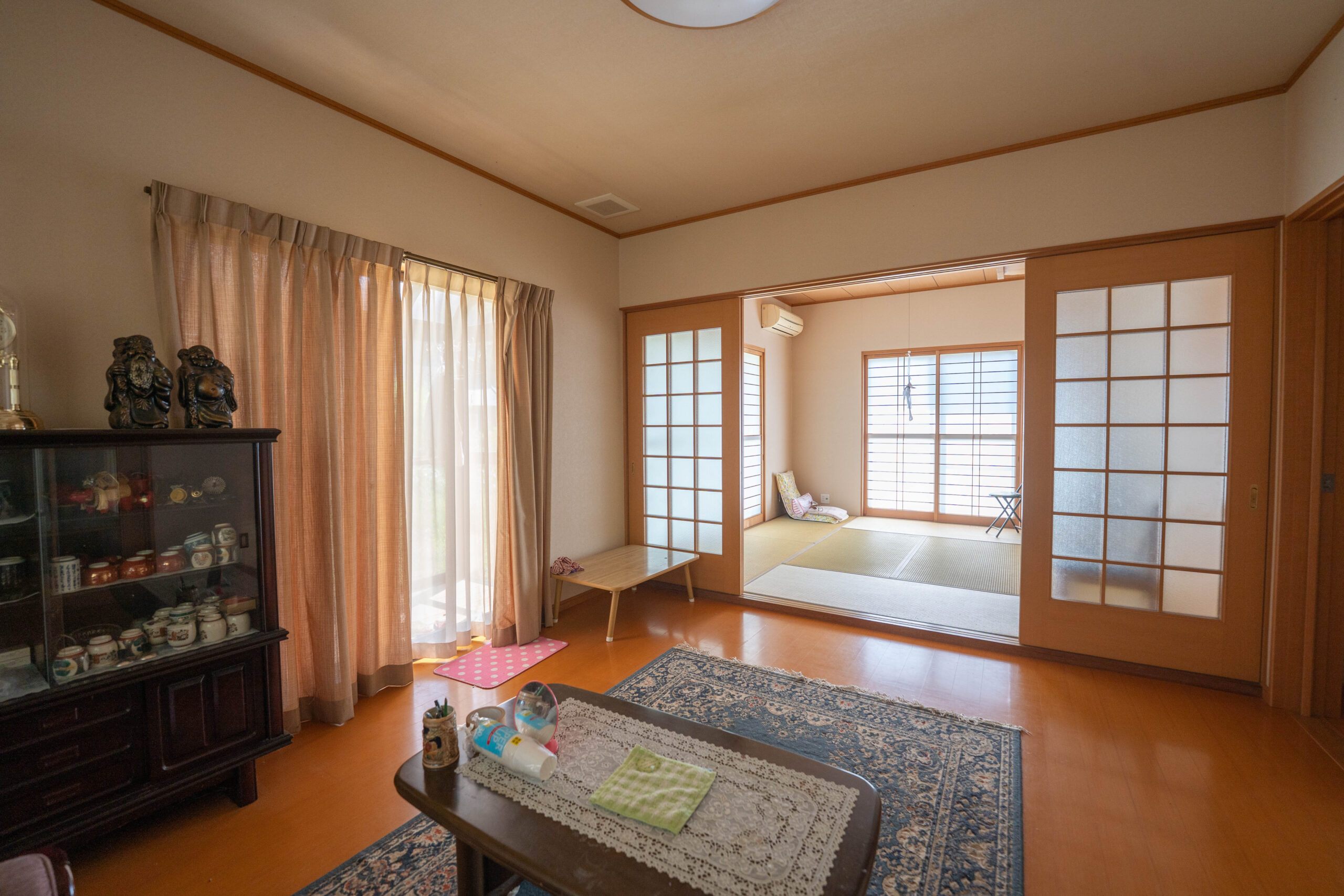
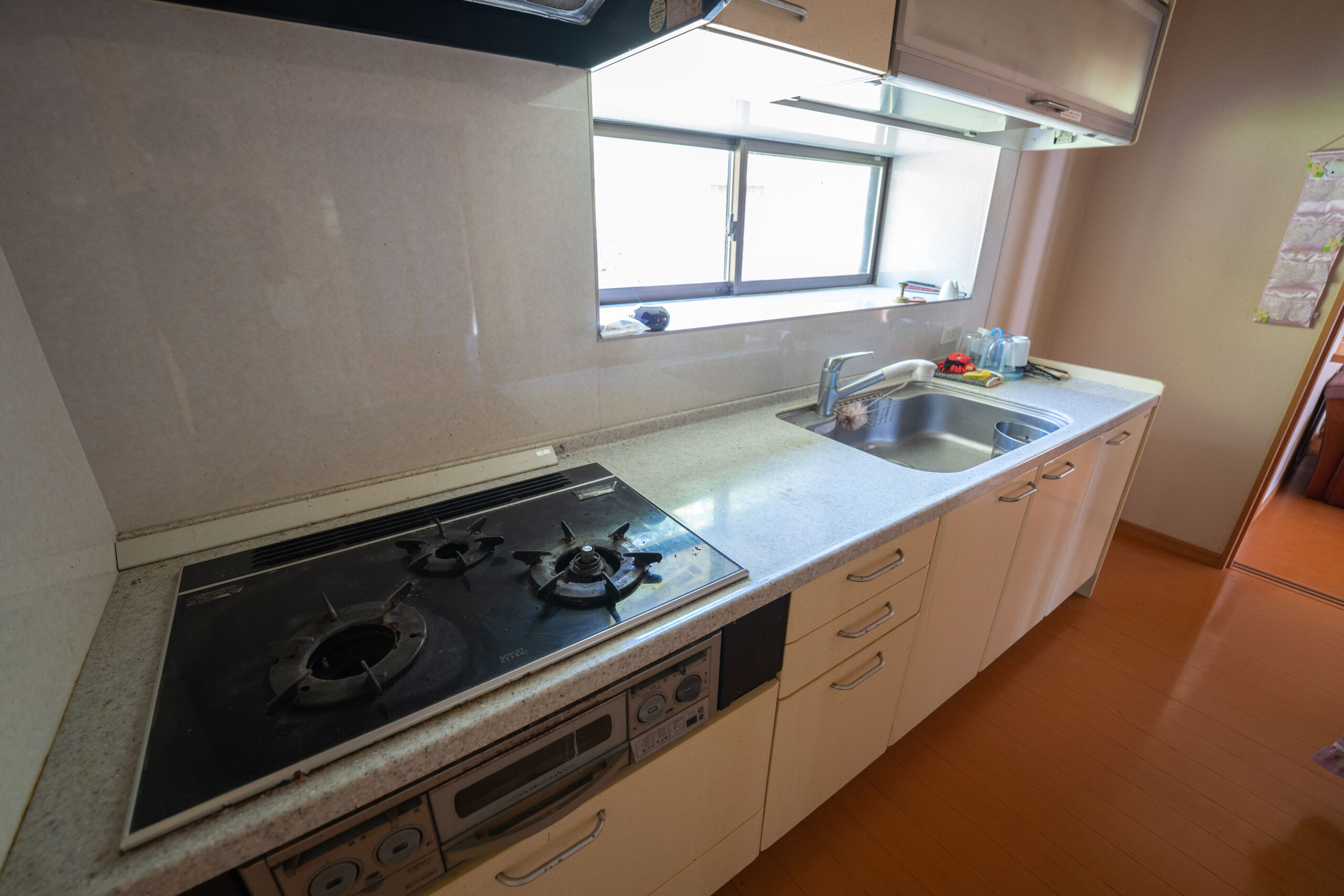
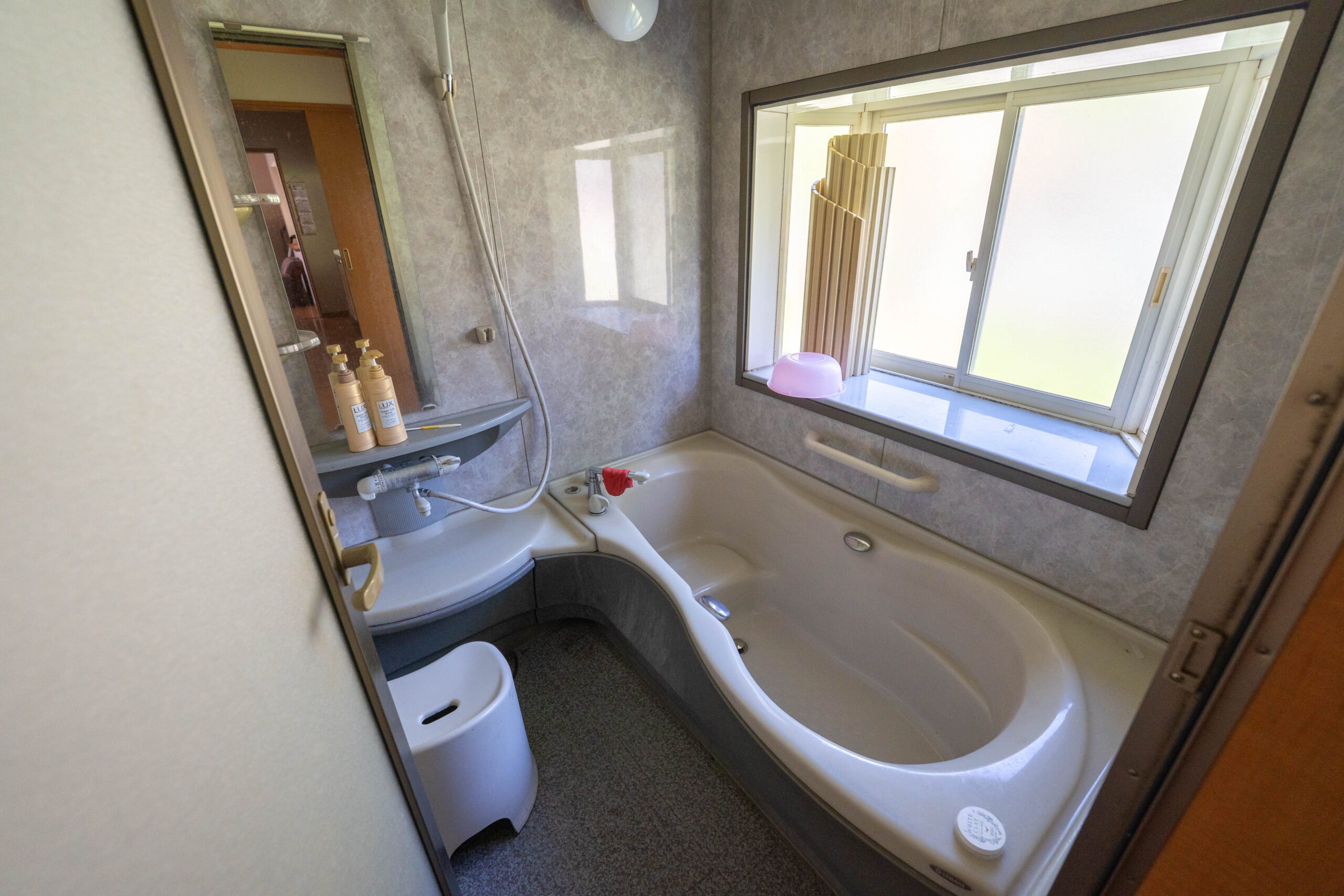
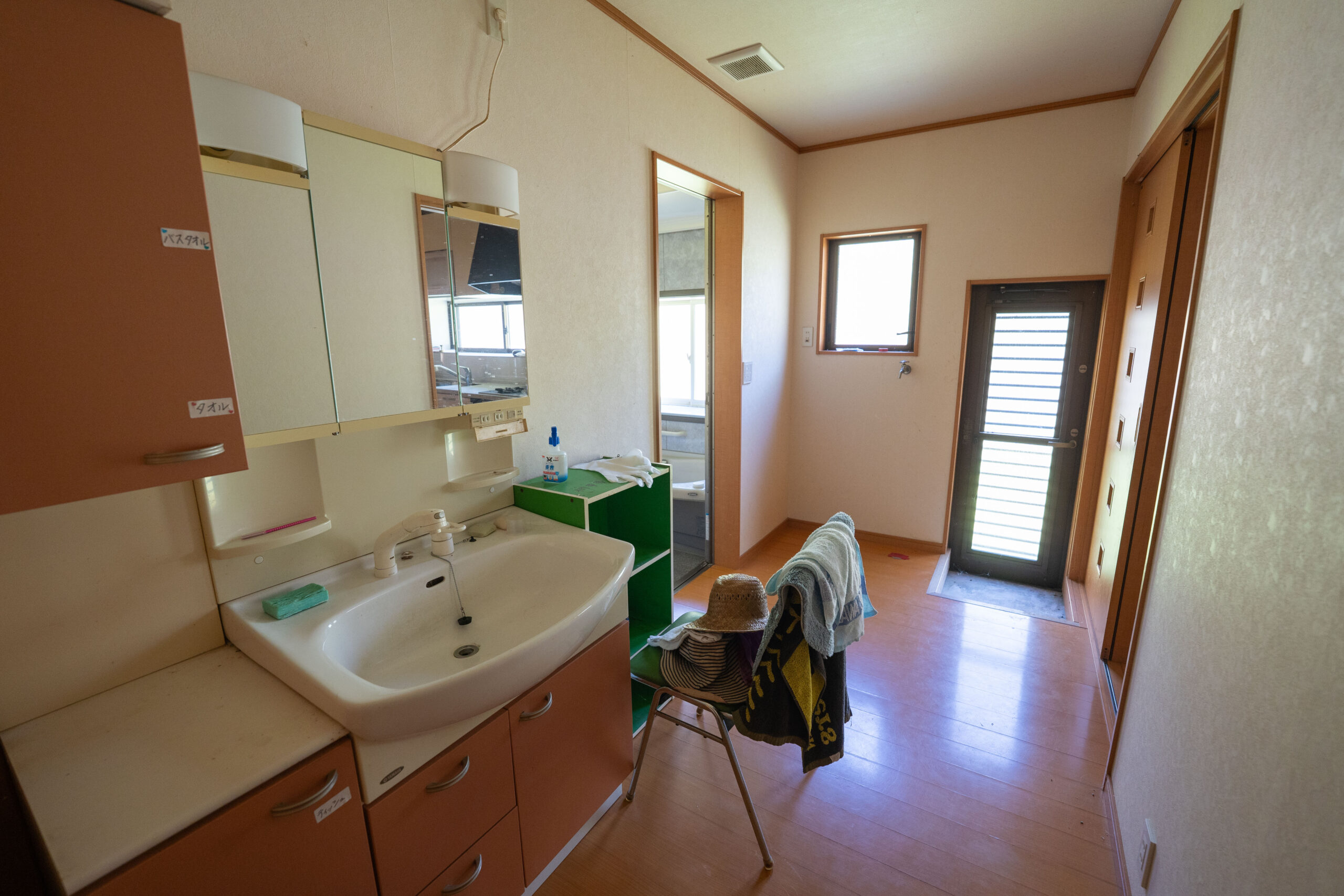
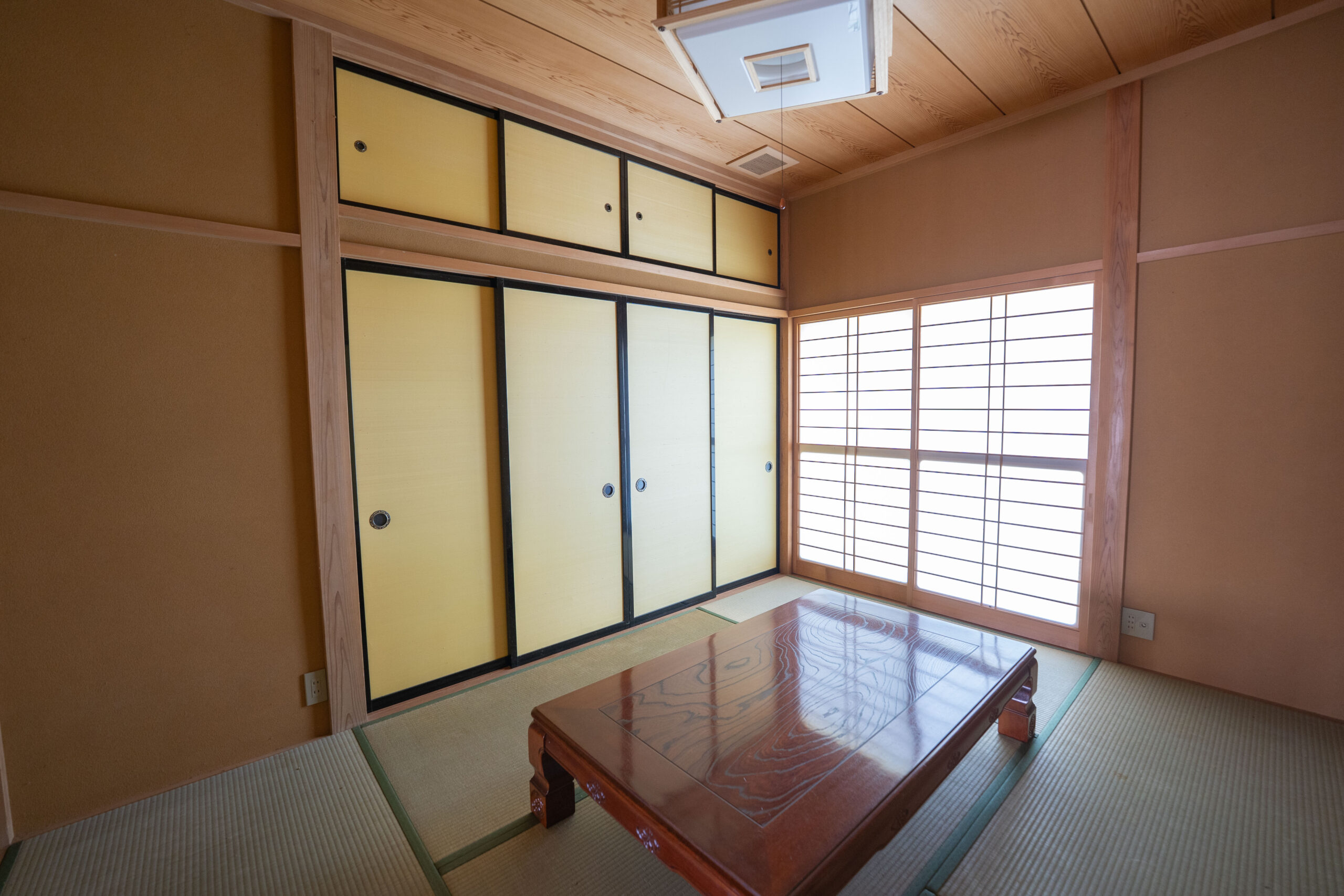
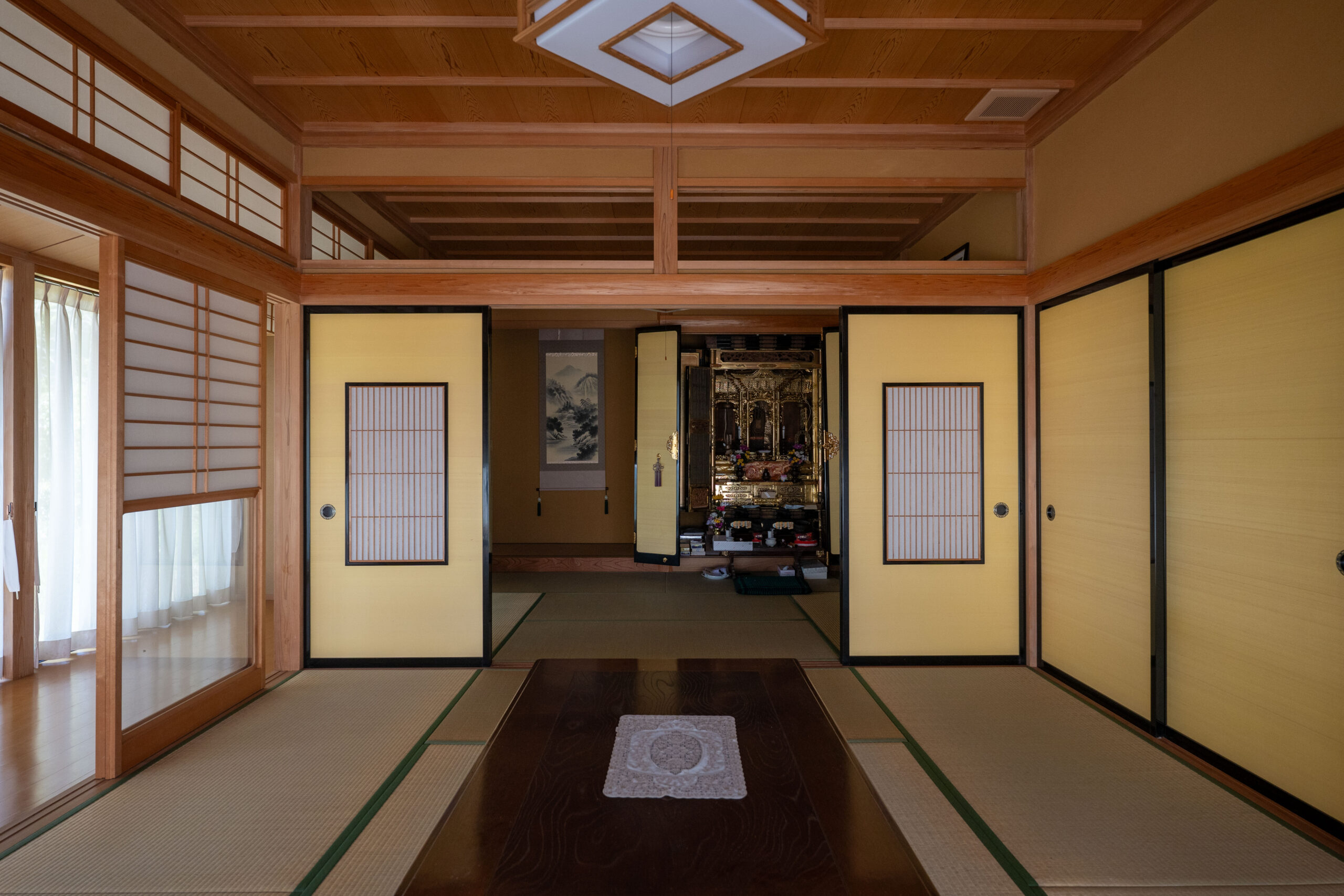
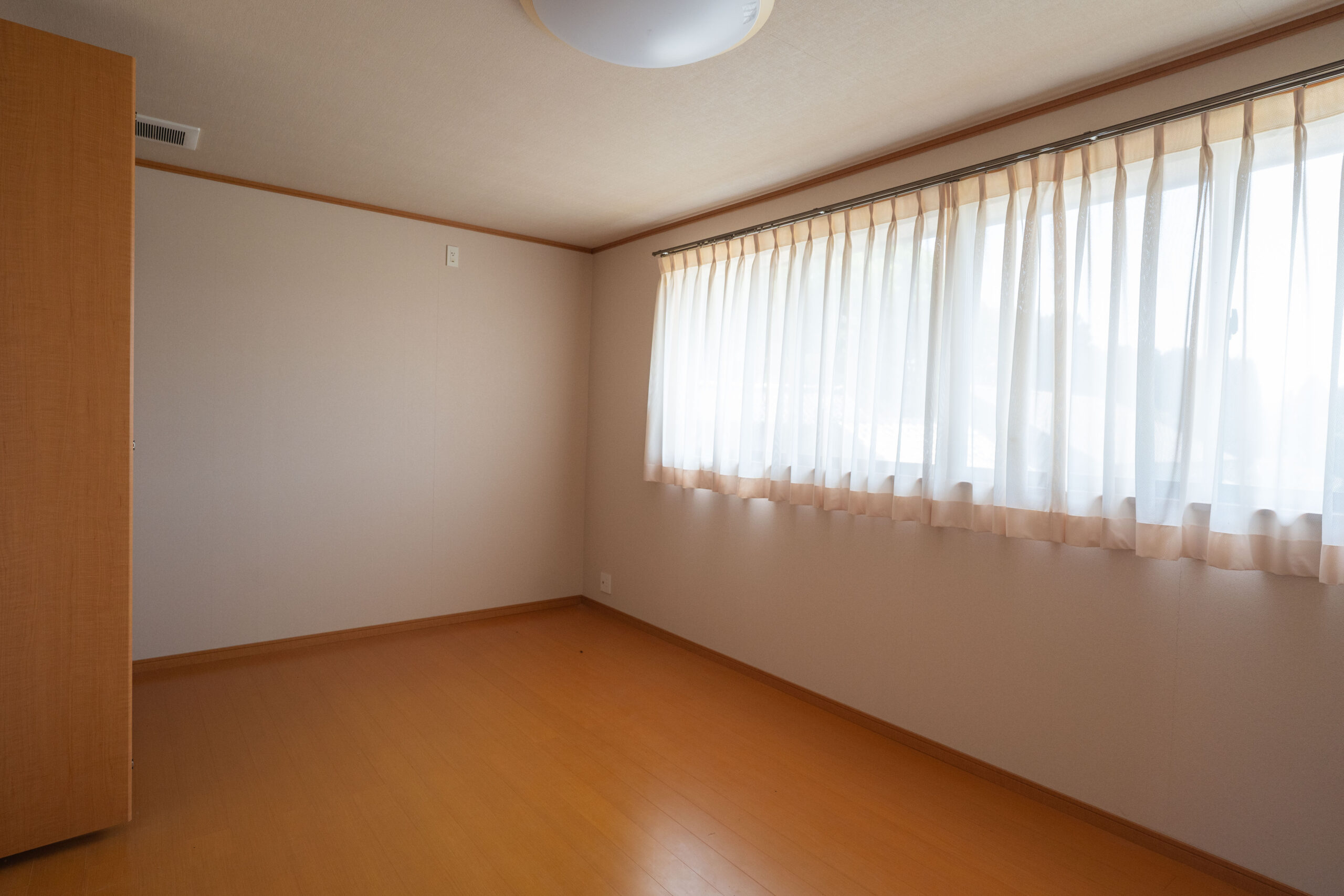
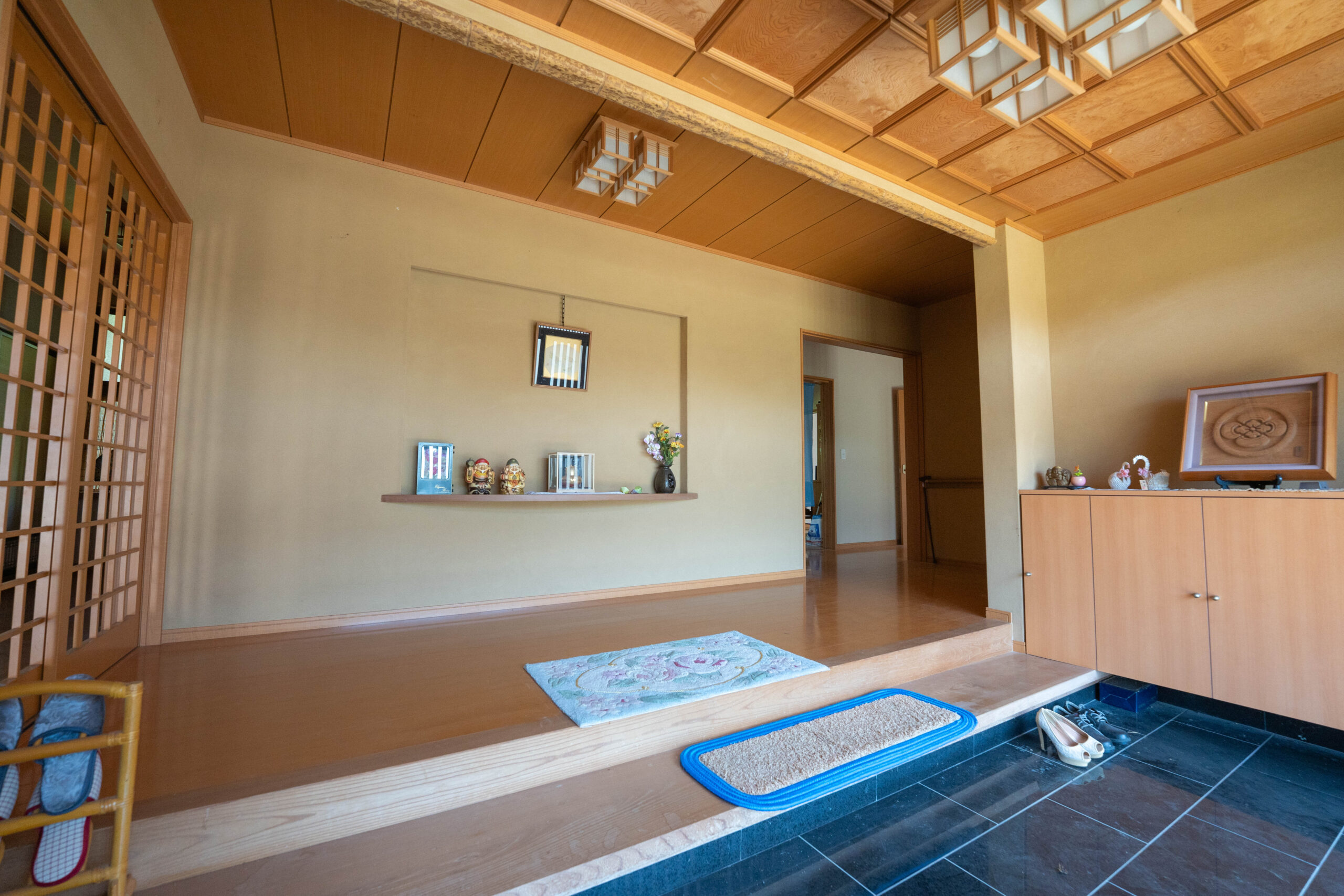
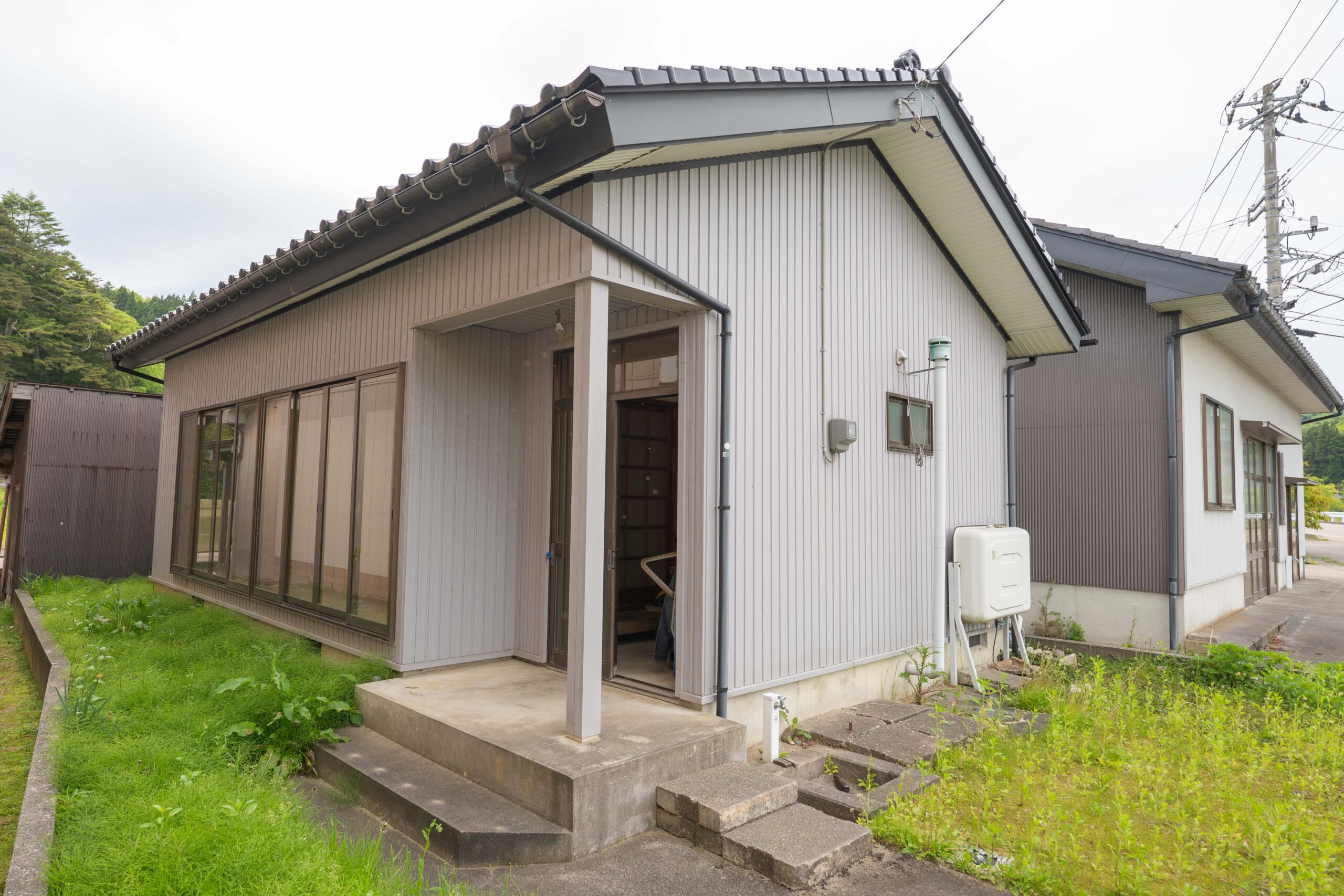
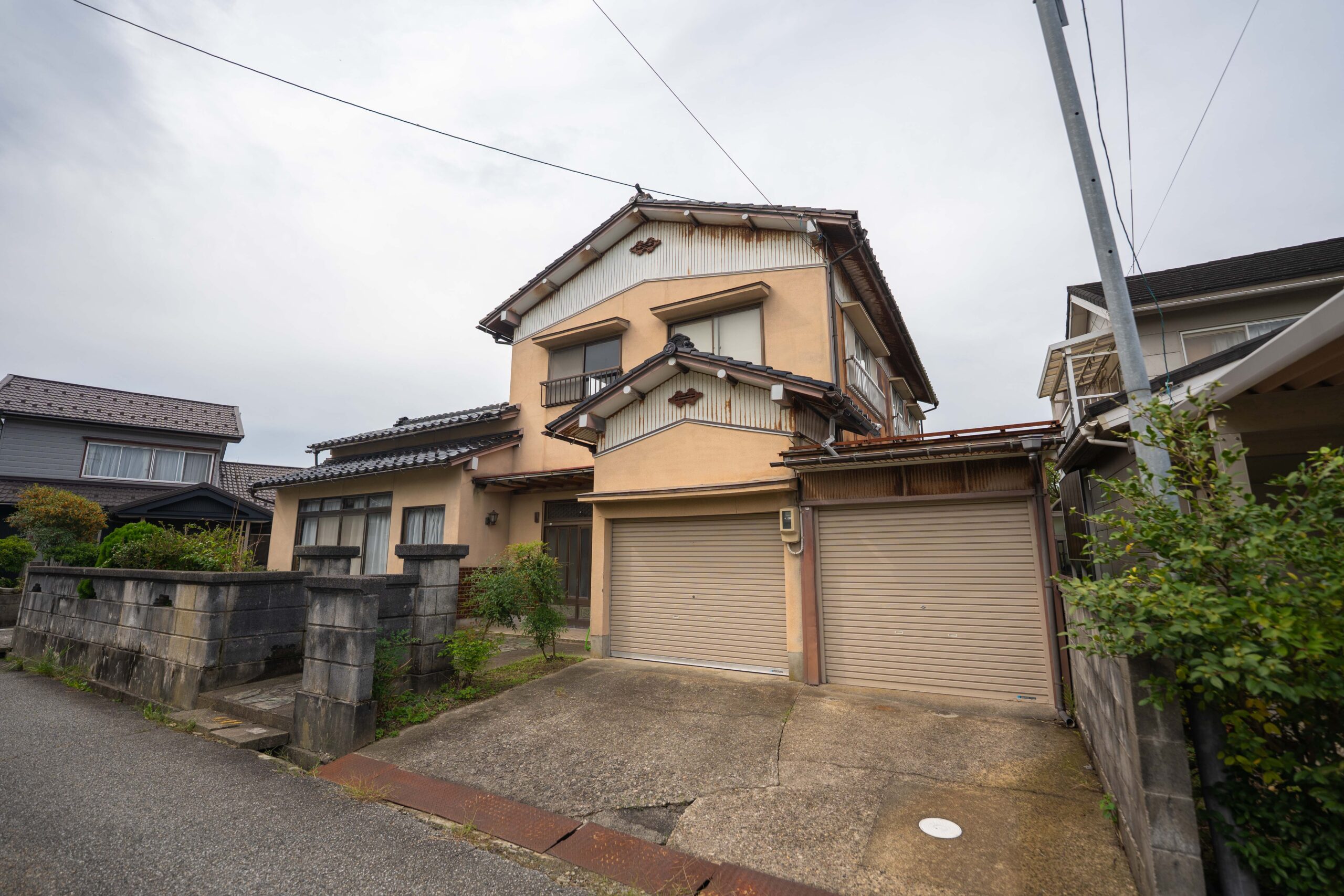
Property Report: This is a detached house located in Kumamu, Himi City. Kumamu, together with the adjacent Ronda, is known affectionately to locals as 'Ronkuma' and is designated as Toyama Prefecture's model immigration acceptance region with systems in place to welcome migrants as residents, making it one of the easier areas to settle in within Himi. In 2026, a lodging facility called 'Ronkuma no Ie' opened offering immigration experience stays; if you are considering relocation, we strongly encourage you to try it. Beyond Ronkuma alone, your understanding of rural living will certainly become crystal clear. Now let us proceed with introducing this property. First, when discussing this property, one absolutely cannot overlook the high potential of the 'entrance', the face of the house. Opening the lattice door that accents the exterior reveals a remarkably refined space. Underfoot lies a spacious earthen floor of polished black tiles, emanating an air of quiet serenity like a small gallery. The entry step is too fine a place to use only for removing shoes. Neighbors visit to chat while seated, sharing treats; you might place a favorite stool and display seasonal branches. Simply standing here brings a daily sense of modest pride: 'Ah, I've come home to a fine house', a truly special reception space. Though built in 1962, the building has undergone periodic renovations, so the interior finish and equipment are relatively well-maintained, a notable feature of this property. The building retains the character of traditional Japanese architecture; windows are generous, and natural sunlight enters the rooms abundantly. There is no shortage of rooms where sipping coffee bathed in sunlight feels just right. Leaving behind urban noise, you await a picture-perfect country life awakening to birdsong. First, come visit the site in person and open those beautiful lattice doors.
Specifications
- Year built
- 1962
- Structure
- Traditional wood
Where a detail is not shown, the source listing did not state it. We leave it out rather than guess.
The price in context
The nearest official land-price benchmark is about 24,100 yen per sqm, down about 7% over five years (26,000 to 24,100), which the survey classes as declining.
Source: Japan's Ministry of Land land-price survey. A benchmark for the area, not a valuation of this home.
Area and hazard data
4 checks clear, 2 to know about. Each check is against a government map for this exact point. Where a map is missing or we can't use it, we say so; that never means there's no risk.
- Earthquake code Caution
- Built before the 1981 earthquake code. Expect a structural survey, harder mortgages, and a retrofit budget; towns often grant part of that cost.
- Strong-earthquake chance Checked, clear
- About 3% chance of a strong quake (shindo 6-lower or above) in 30 years, low for Japan, where most places sit between 3% and 26%
- Landslide risk Caution
- In a yellow (caution) landslide zone (1 zone(s)). Expect a surveyor to look at the slope behind the house. Zone edges are approximate, and this is not a legal property disclosure document.
- Flood risk Checked, clear
- Checked: outside a mapped flood area. The maps cover designated rivers only, so this is not a promise of no flooding.
- Tsunami risk Checked, clear
- Checked: no designated tsunami inundation zone at this location
- Liquefaction Checked, clear
- Low liquefaction susceptibility for the ground here
Source: Estimated from year built
Source: National earthquake-hazard model
Source: Government hazard map
Source: Government hazard map
Source: Government hazard map
Source: National landform survey
A pre-1981 build predates Japan's current earthquake code, which can matter for insurance and renovation. We flag the era from the year built where we have it.
- Setting
- About 7.3 km to the nearest built-up town area (population about 10,000)
- Clinic
- About 70 min walk
Location
- Area
- Himi, Toyama
- Setting
- About 7.3 km to the nearest built-up town area (population about 10,000)
- Clinic
- About 70 min walk
This marks an approximate area, not the exact building. The circle is a rough radius from the listing's published address, so you can see the neighbourhood without us guessing at a precise spot. The published address only names the neighbourhood.
Rules of this akiya bank
These are the bank's published eligibility rules, not confirmation that your intended use of this home is allowed. Check with the municipality and owner.
-
Residence or regular-stay requirement
A condition is published; read the scope below
Article 7's ordinary category requires moving in and settling. Separate earthquake/flood-displaced categories and mayor approval are exceptions.
Read official bank rules Checked 2026-10-06 -
Business-use exclusion
Not established
No explicit property business-use rule found; website reuse terms are not property-use rules.
Unknown does not mean permitted. No restriction or permission has been inferred.
Read official bank rules Checked 2026-10-06 -
Resale restriction
Not established
No explicit post-purchase resale ban or holding period found. Unknown is not permission.
Unknown does not mean permitted. No restriction or permission has been inferred.
Read official bank rules Checked 2026-10-06
Grants and rules
2 programmes in our data could apply to this home, all with conditions you would have to meet first. Amounts change every year. Always confirm with the town before you rely on a figure.
-
Regional Revitalization Migration Support Program (Household) ConditionalUp to 1,000,000 yen
What you would need
Base amount for household migration: up to 1 million yen. Additional 1 million yen per child under 18 may be added (stackable add-on, not included in base cap).
- Resident of Tokyo 23 wards or commuting to Tokyo 23 wards from Tokyo Metropolitan Area (excluding disadvantaged regions)
- Plus 3 more conditions on the town's page.
-
Regional Revitalization Migration Support Program (Single) ConditionalUp to 600,000 yen
What you would need
Base amount for single migration: up to 600,000 yen.
- Resident of Tokyo 23 wards or commuting to Tokyo 23 wards from Tokyo Metropolitan Area (excluding disadvantaged regions)
- Plus 3 more conditions on the town's page.
Official source for Regional Revitalization Migration Support Program (Single) (opens in a new tab)
Interested in this house?
Every message gets a reply from one of the founders. We can talk through the home, help you think about a renovation, and connect you with a licensed agent in Japan for buying help. Clear flat fee pricing, nothing to pay until you decide to go ahead.
- 1Tell us where you are and what you would use it for.
- 2We check the home and the town's rules with you, free.
- 3If you go ahead, a licensed agent in Japan handles the purchase for a flat fee.

33 other homes currently listed in Himi.
Before you buy
Where this data comes from
Every fact on this page comes from the town's own listing or an official government record, checked for this address. Where a fact is missing, we say so rather than guess.
- Landslide-risk areas, from Japan's Ministry of Land mapping data (KSJ A33).
- Flood-risk areas, from Japan's Ministry of Land mapping data (KSJ A31a).
- Tsunami-risk areas, from Japan's Ministry of Land mapping data (KSJ A40).
- Earthquake-hazard forecast, from the national J-SHIS model (2024).
- Stations, coastline and schools, from Japan's Ministry of Land mapping data.
- Official land prices, from Japan's Ministry of Land land-price survey.
Map data: National Land Numerical Information (Kokudo Suchi Joho), Ministry of Land, Infrastructure, Transport and Tourism, processed by Engawa.
出典:「国土数値情報」(国土交通省)(https://nlftp.mlit.go.jp/ksj/)をEngawaが加工して作成
- Checked against the town's listing
- Checked against the town's listing: 2026-10-07
- Source listing last changed
- Source listing last changed: 2026-07-21
- Original listing
- himi-akiya.net (opens in a new tab)
We re-check listings against their sources through the week. Where a fact is missing, we say so rather than guess. Data from the source listing plus official government records.