
Saved homes live in this browser. View your saved homes
House in Shiga
Maibara, Shiga
- Year built
- 1920
- Building size
- Not available
- Land size
- Not stated
- Structure
- Unknown

About this home
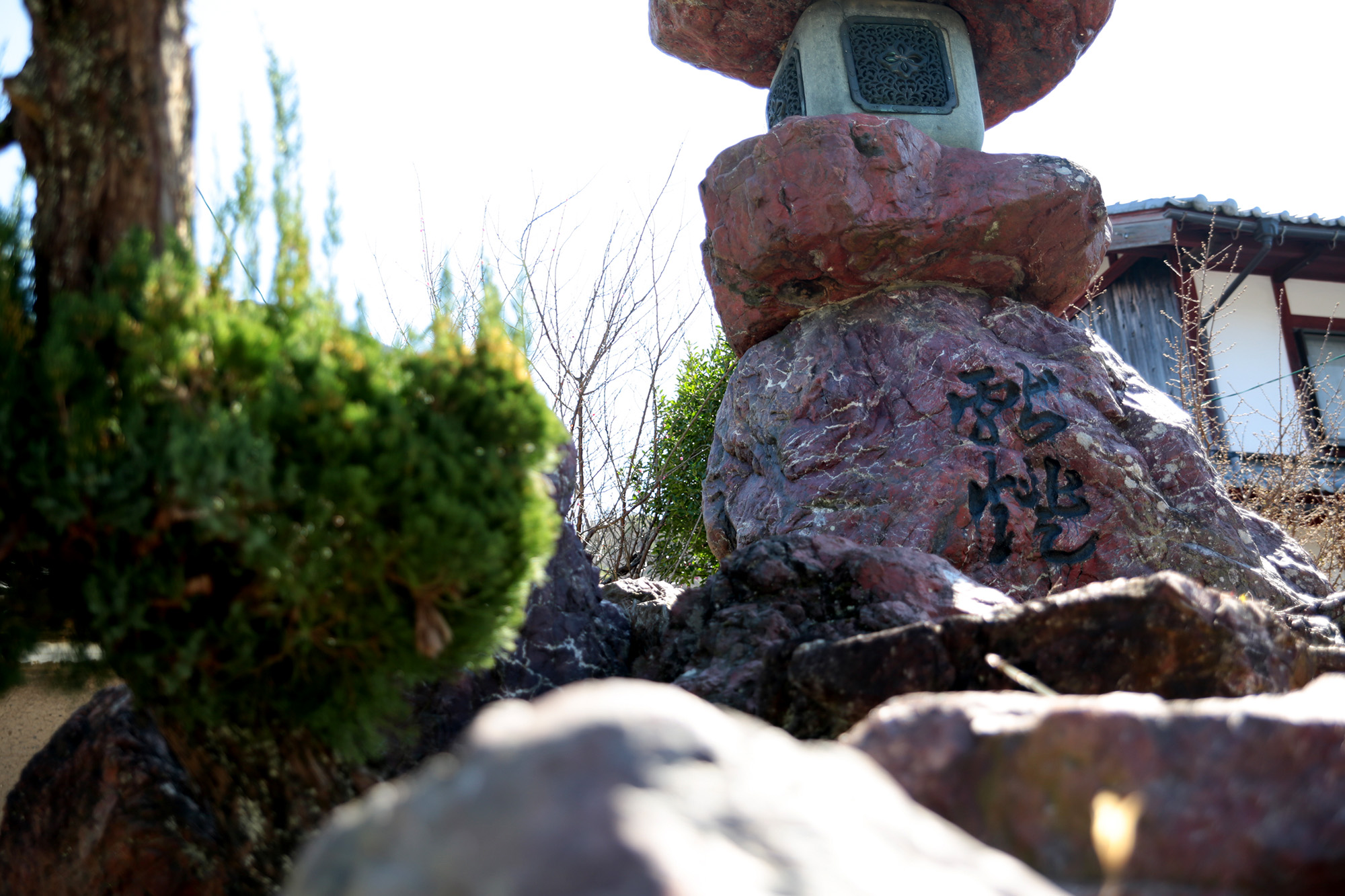
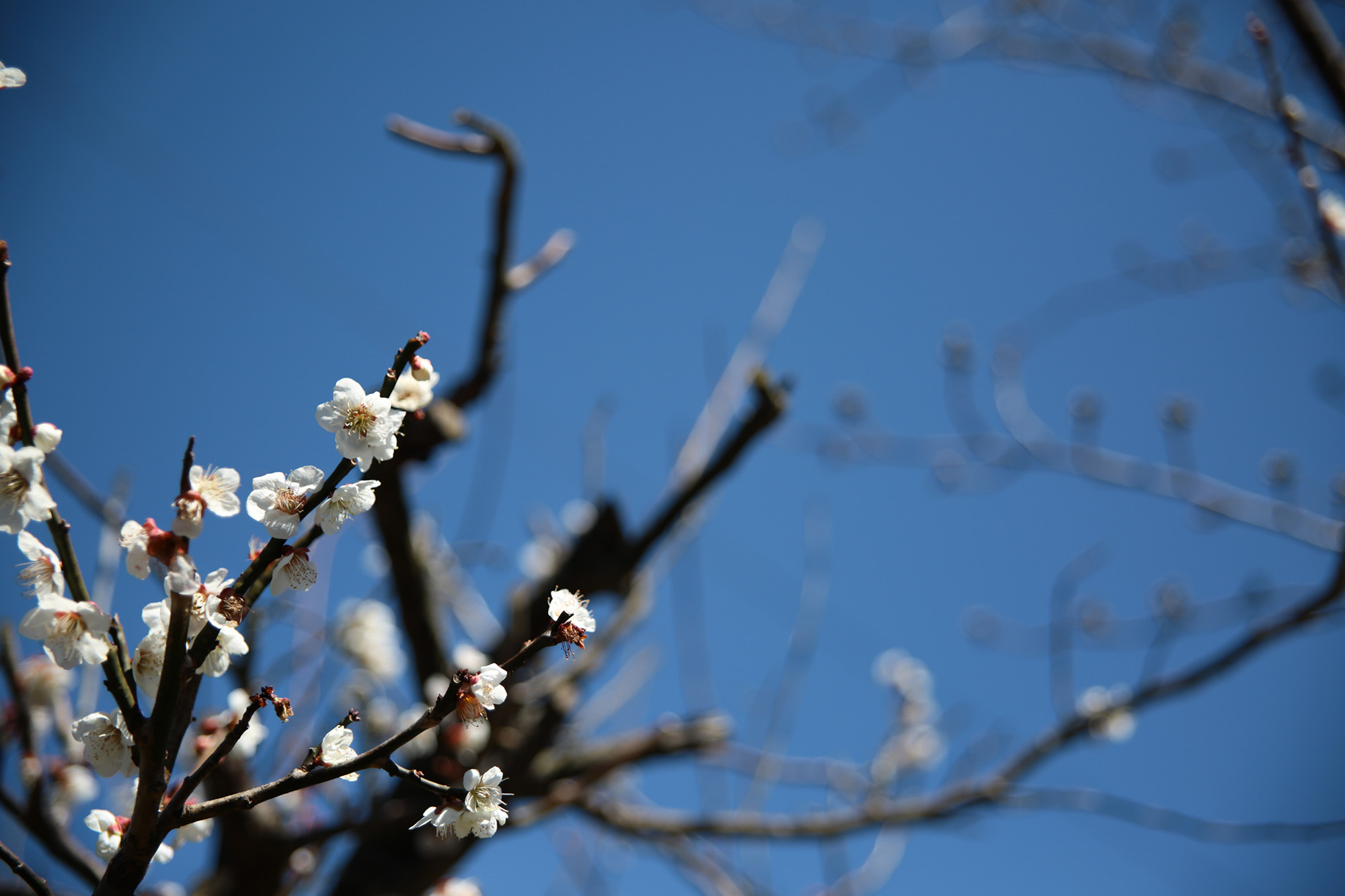
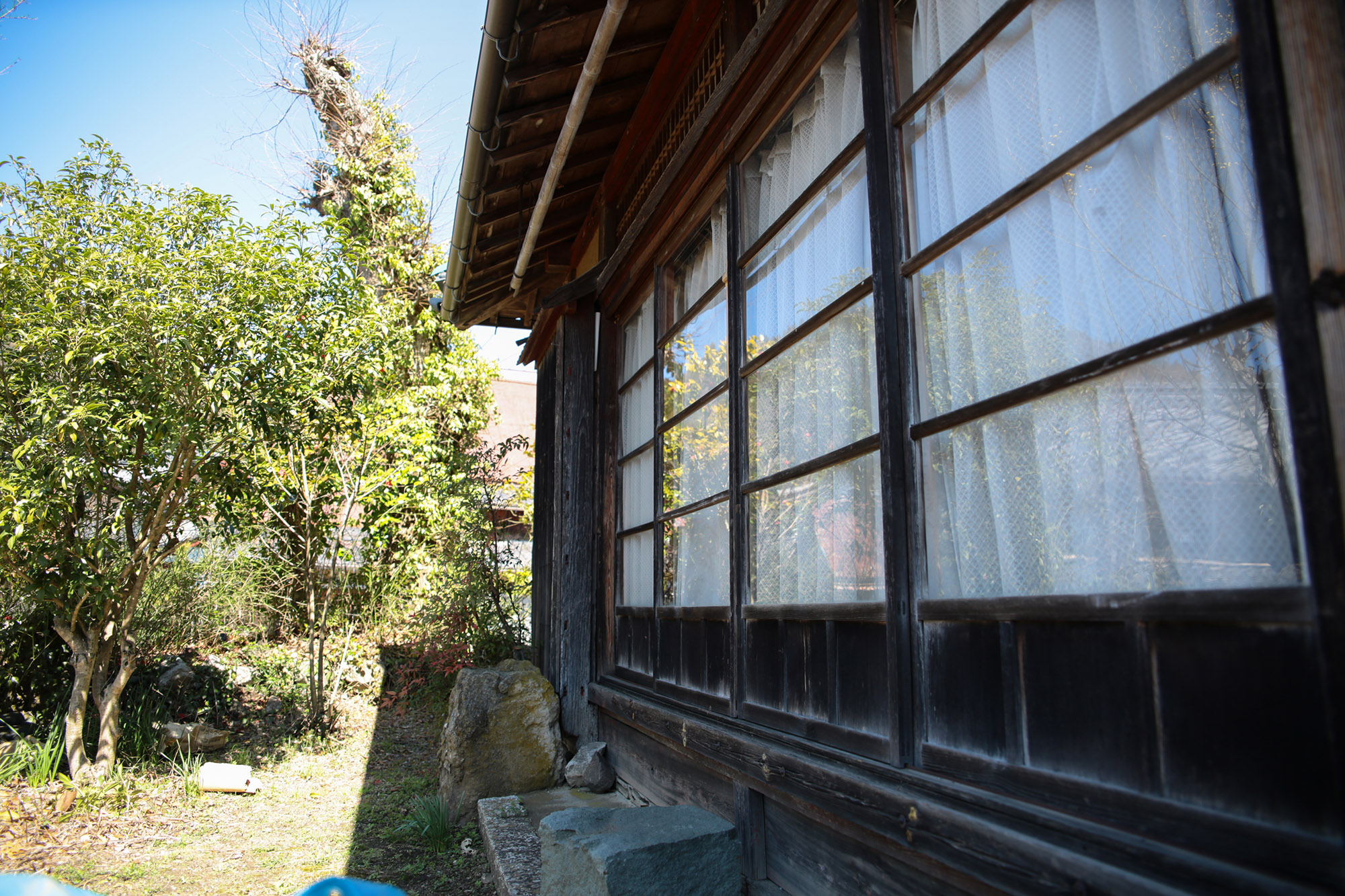
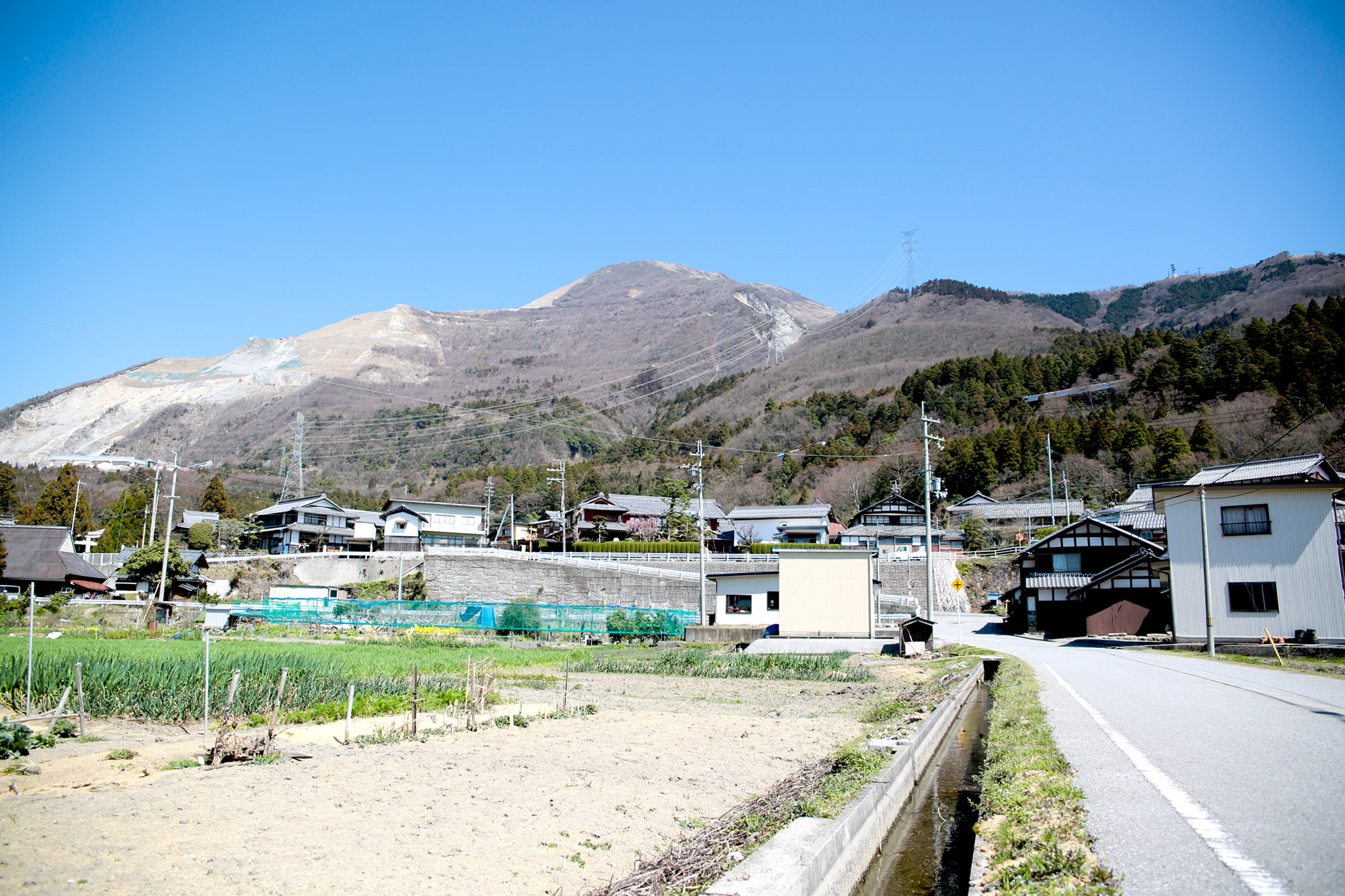
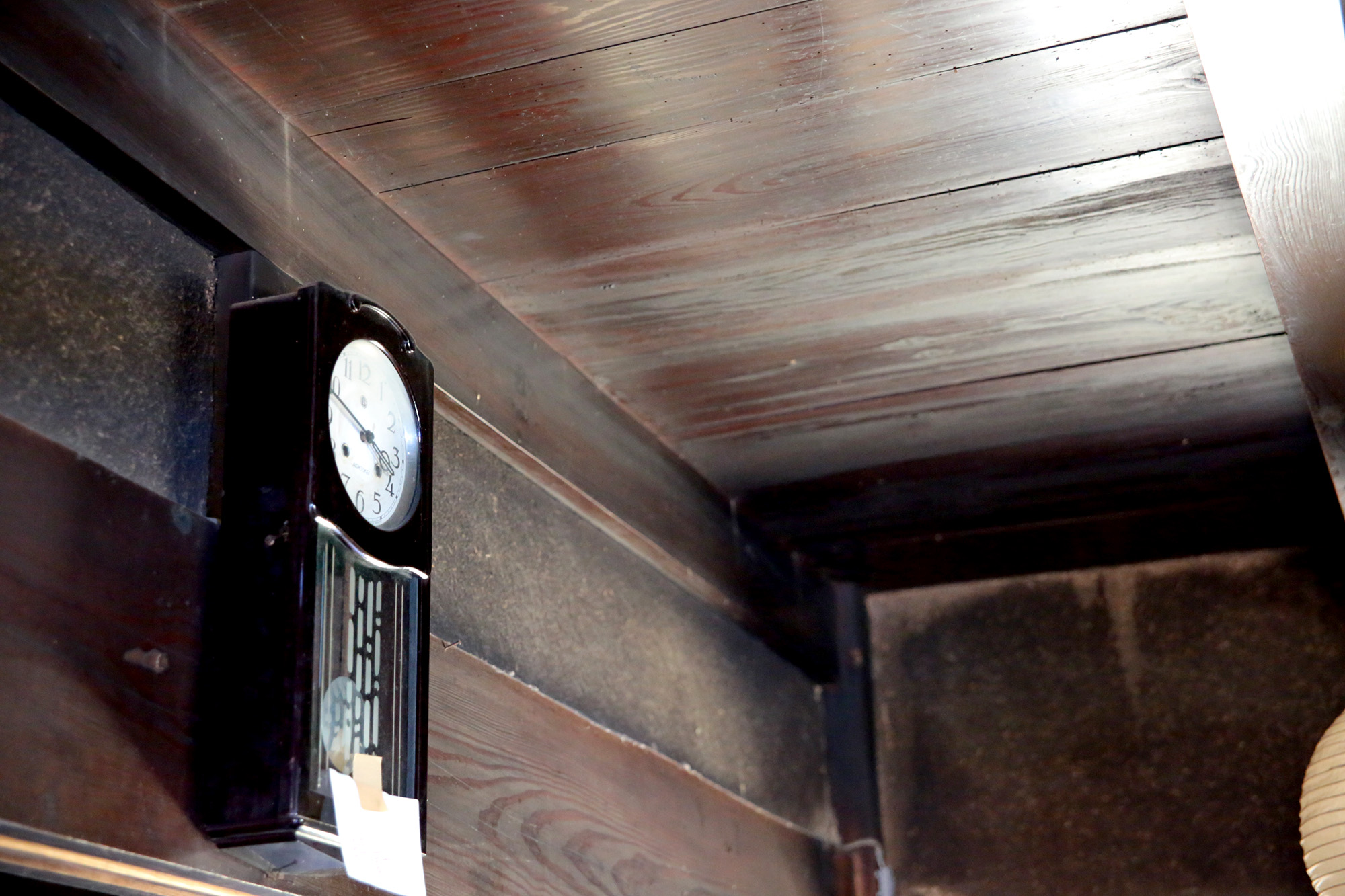
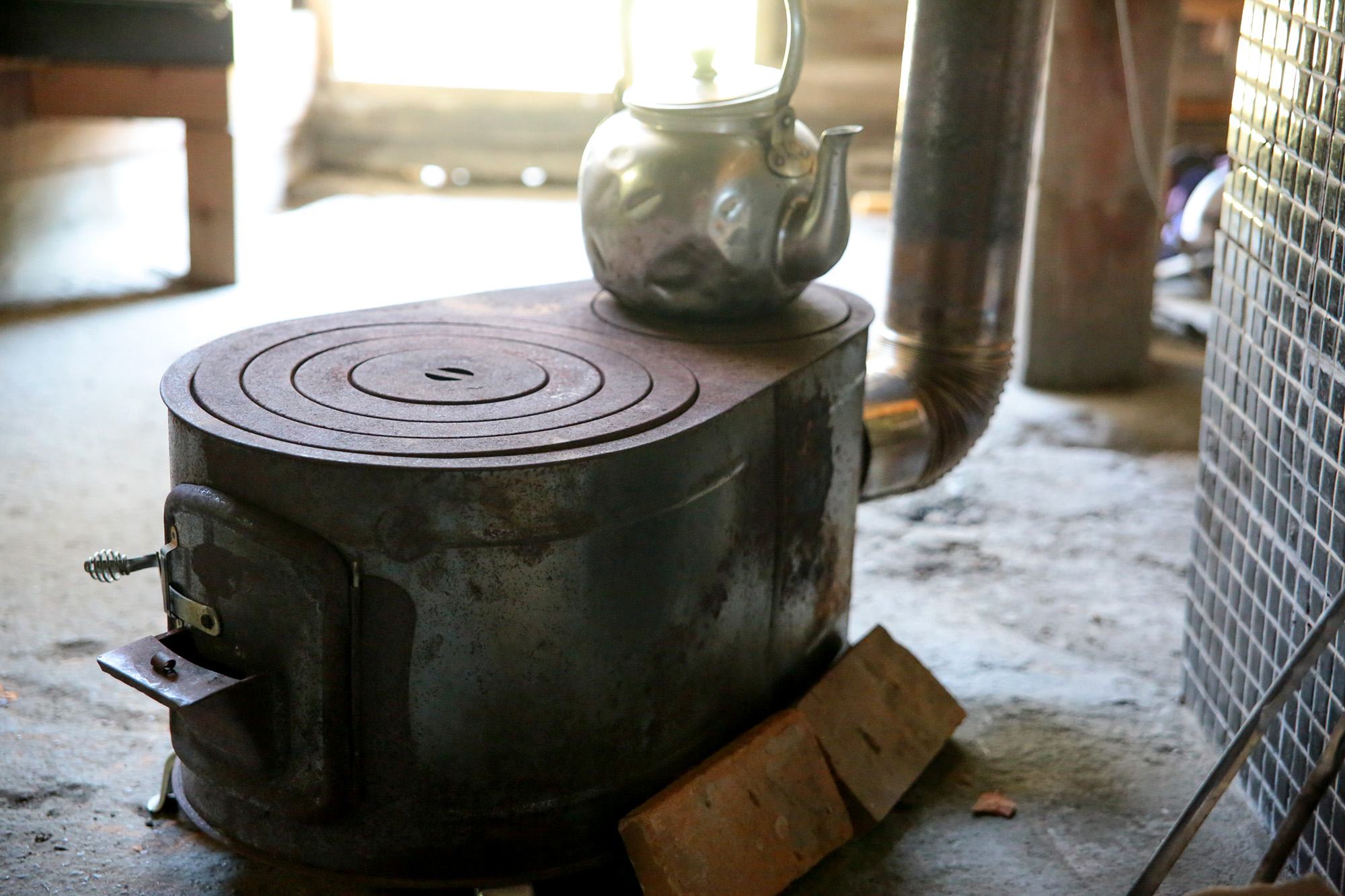
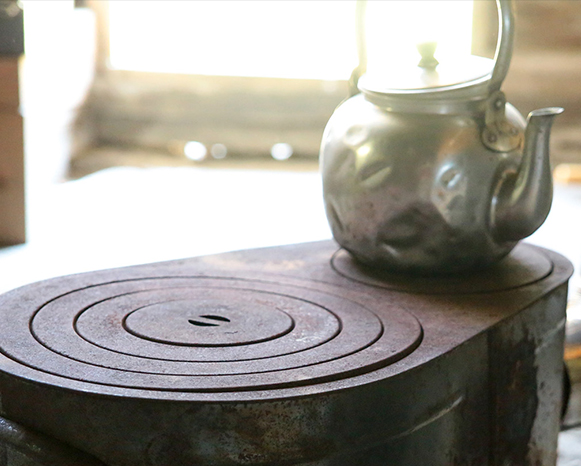
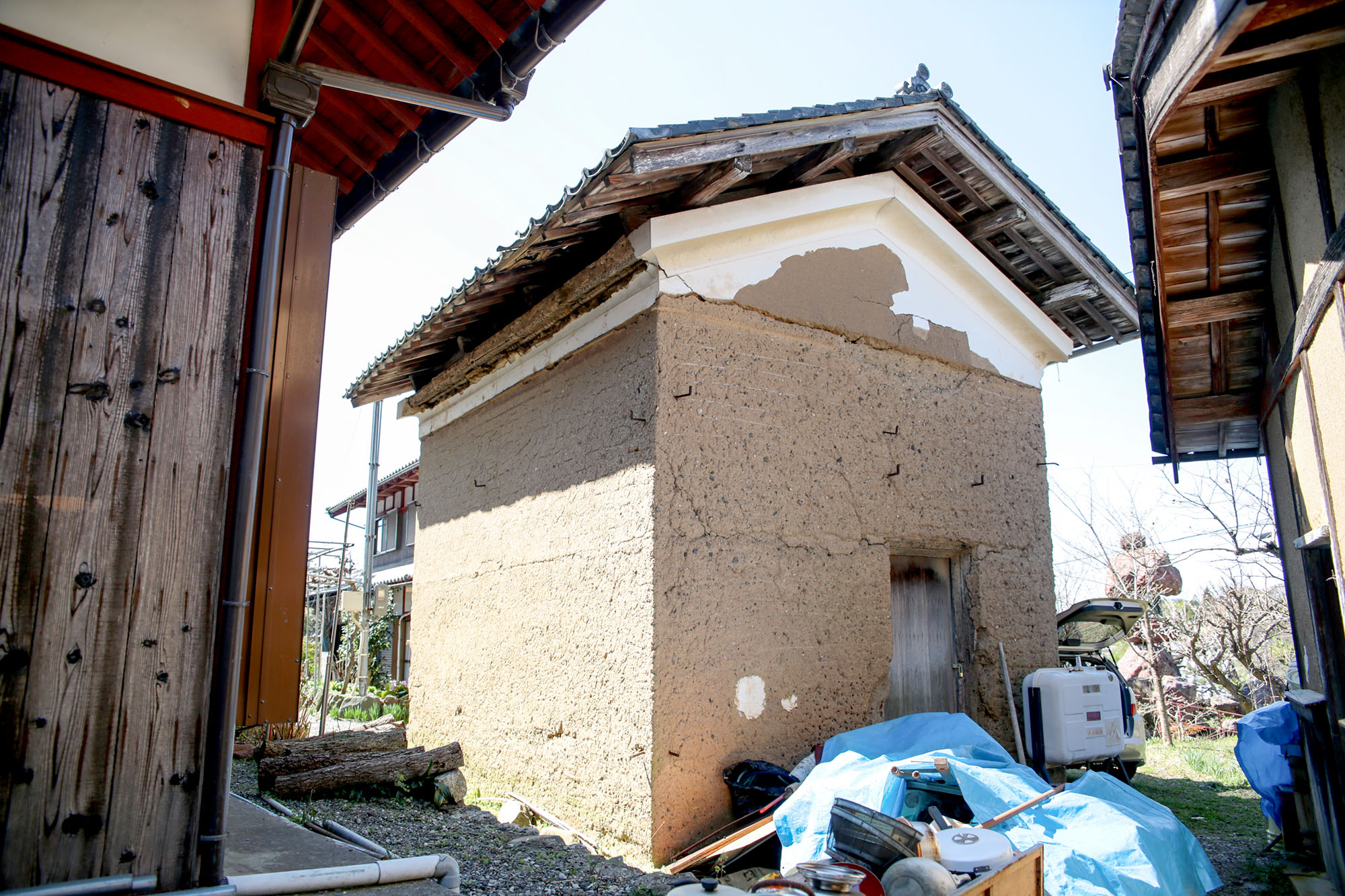
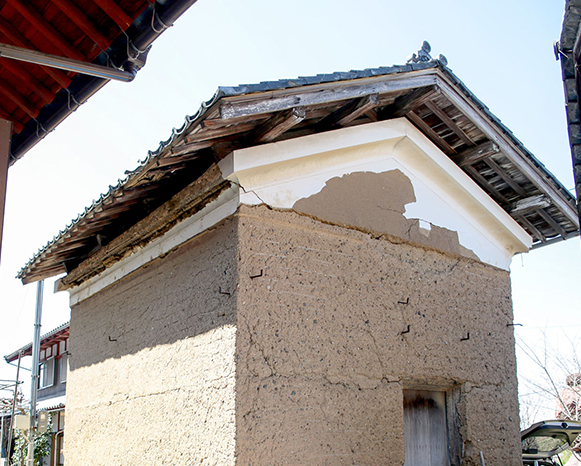
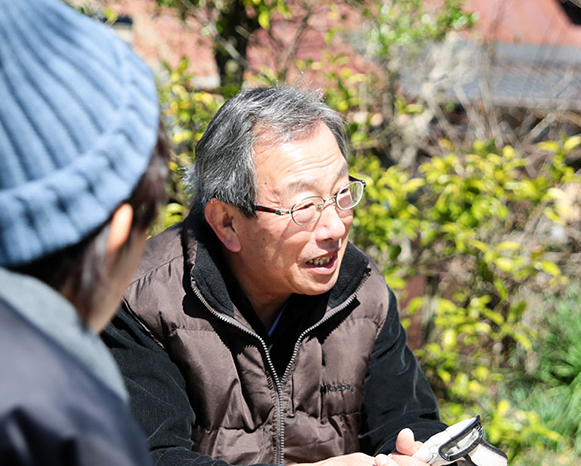
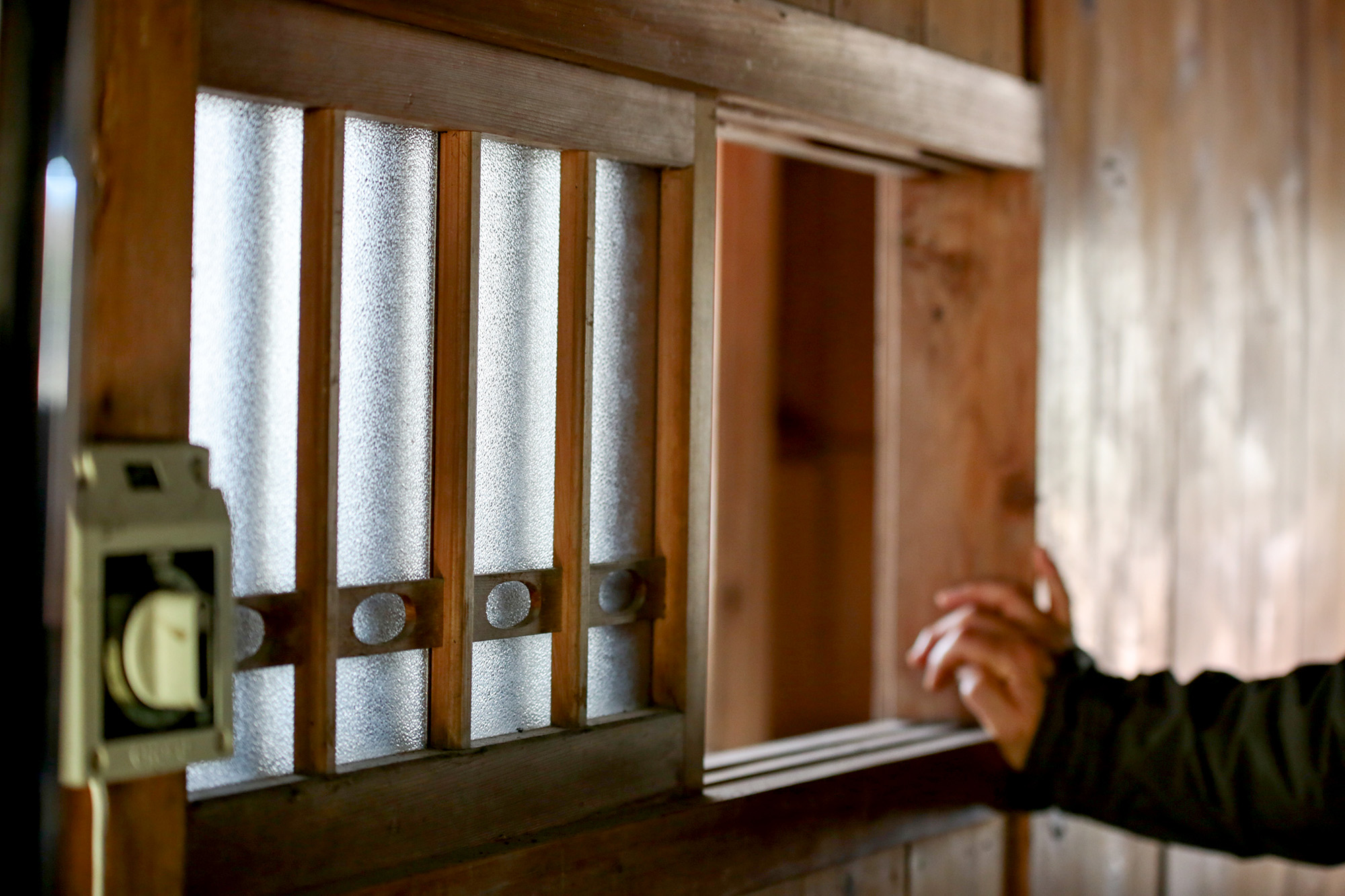
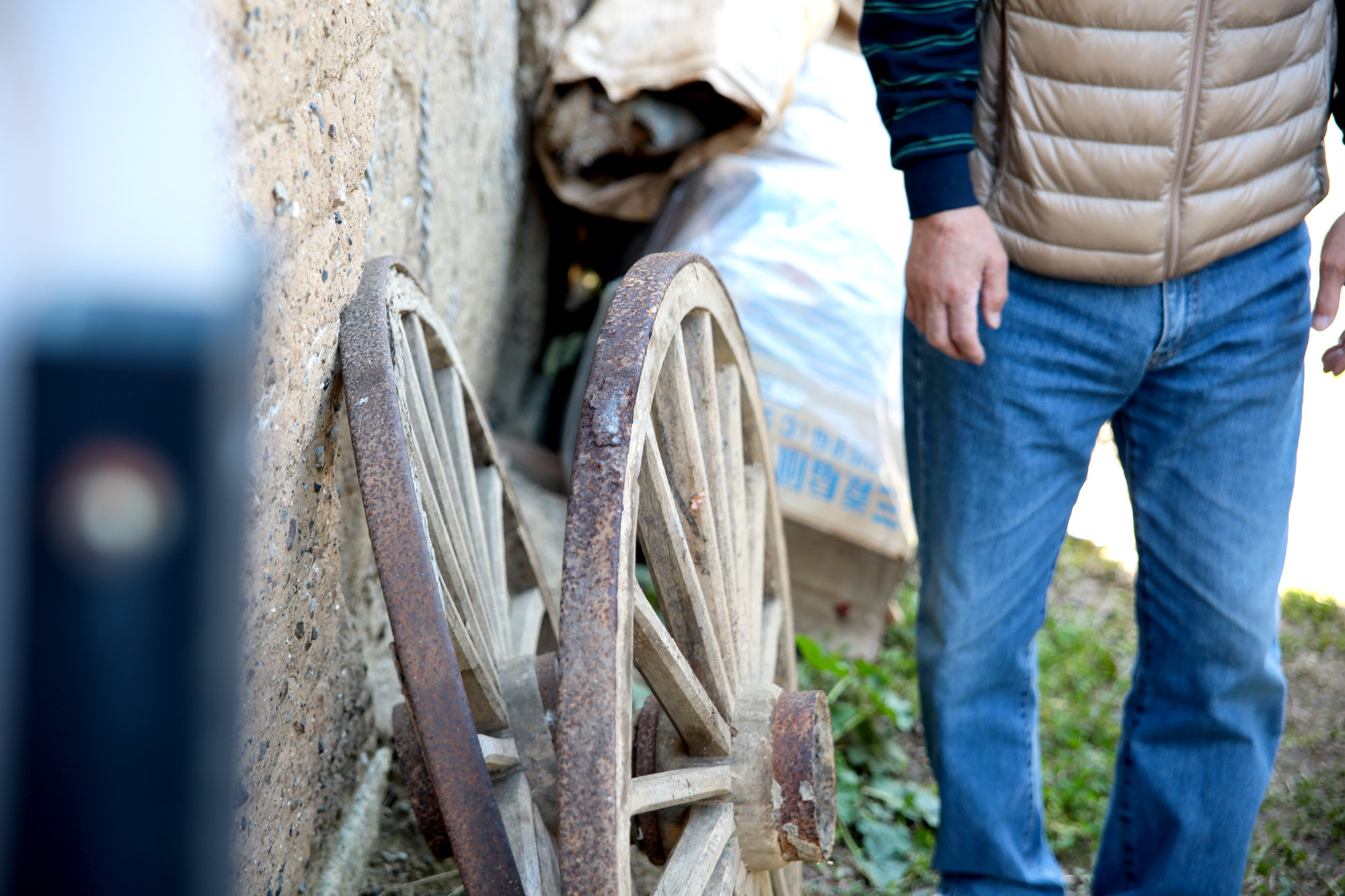
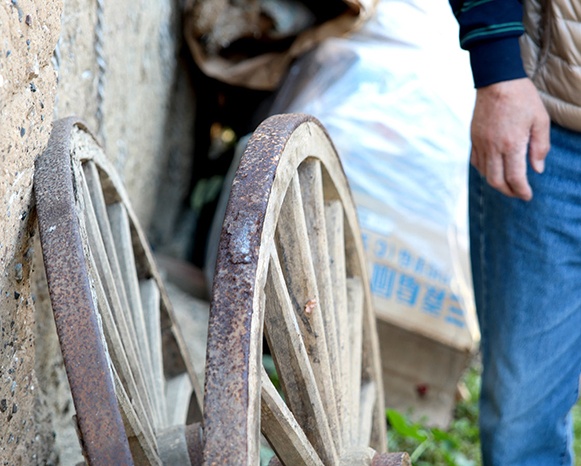
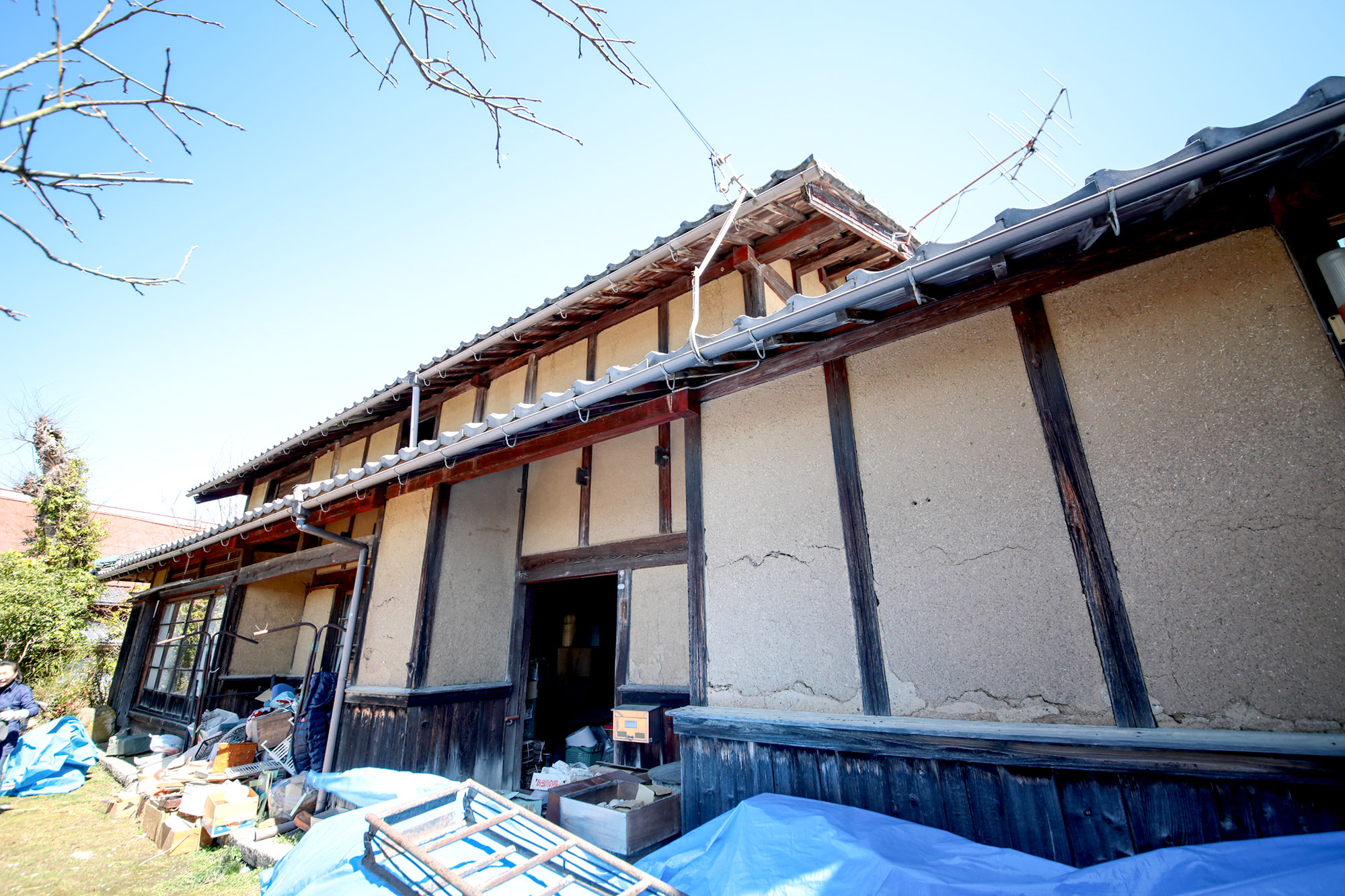
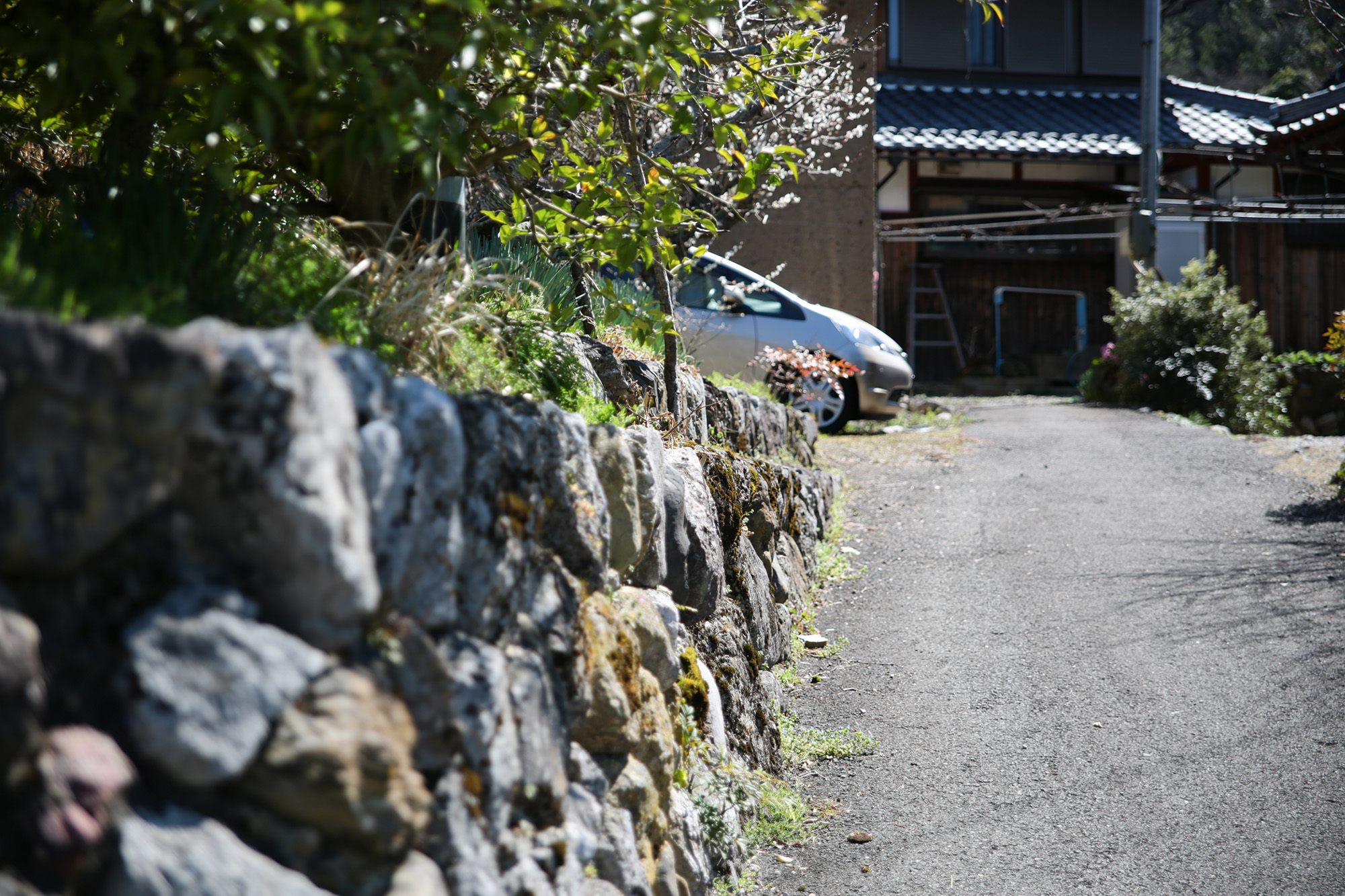
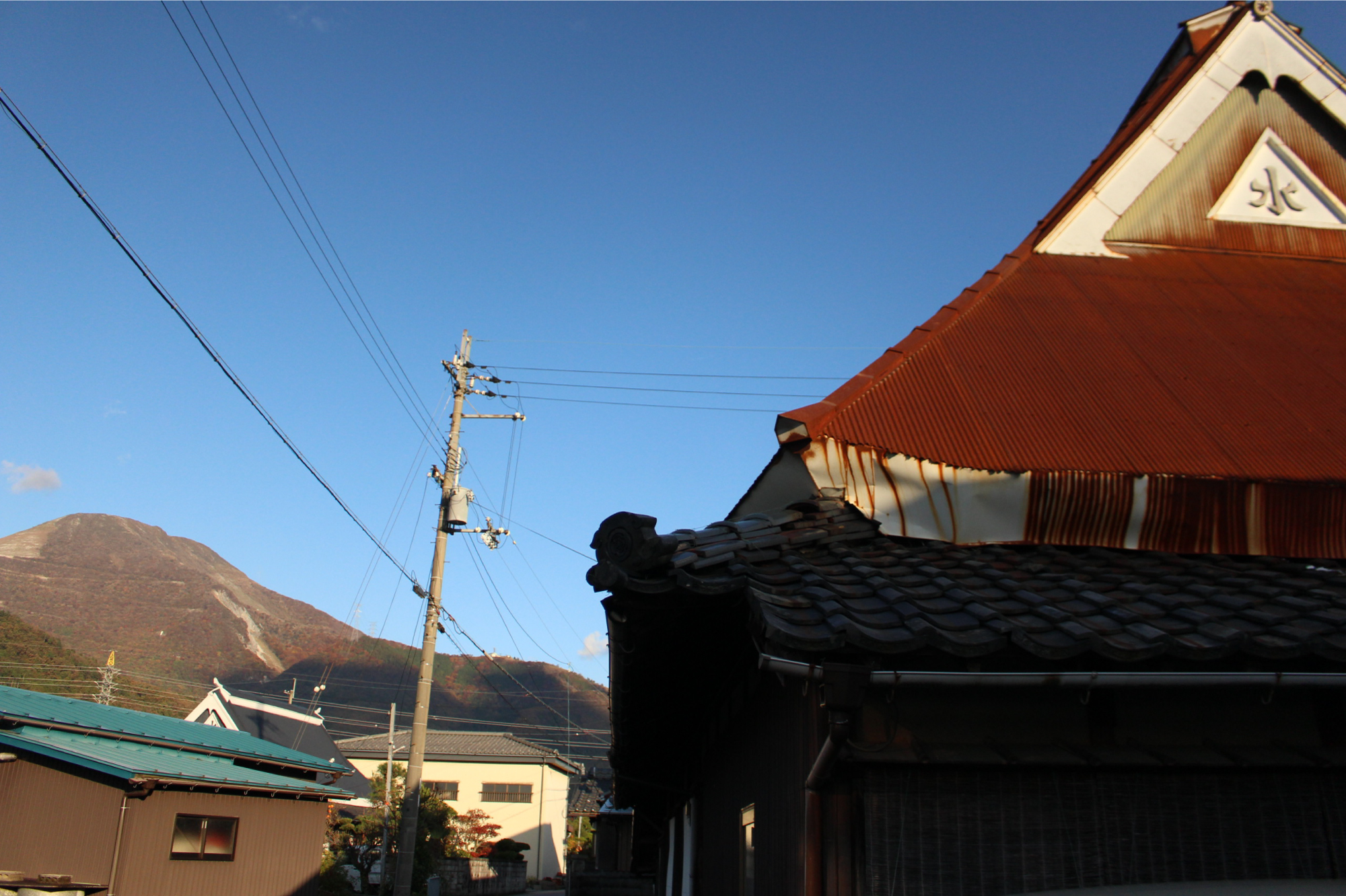
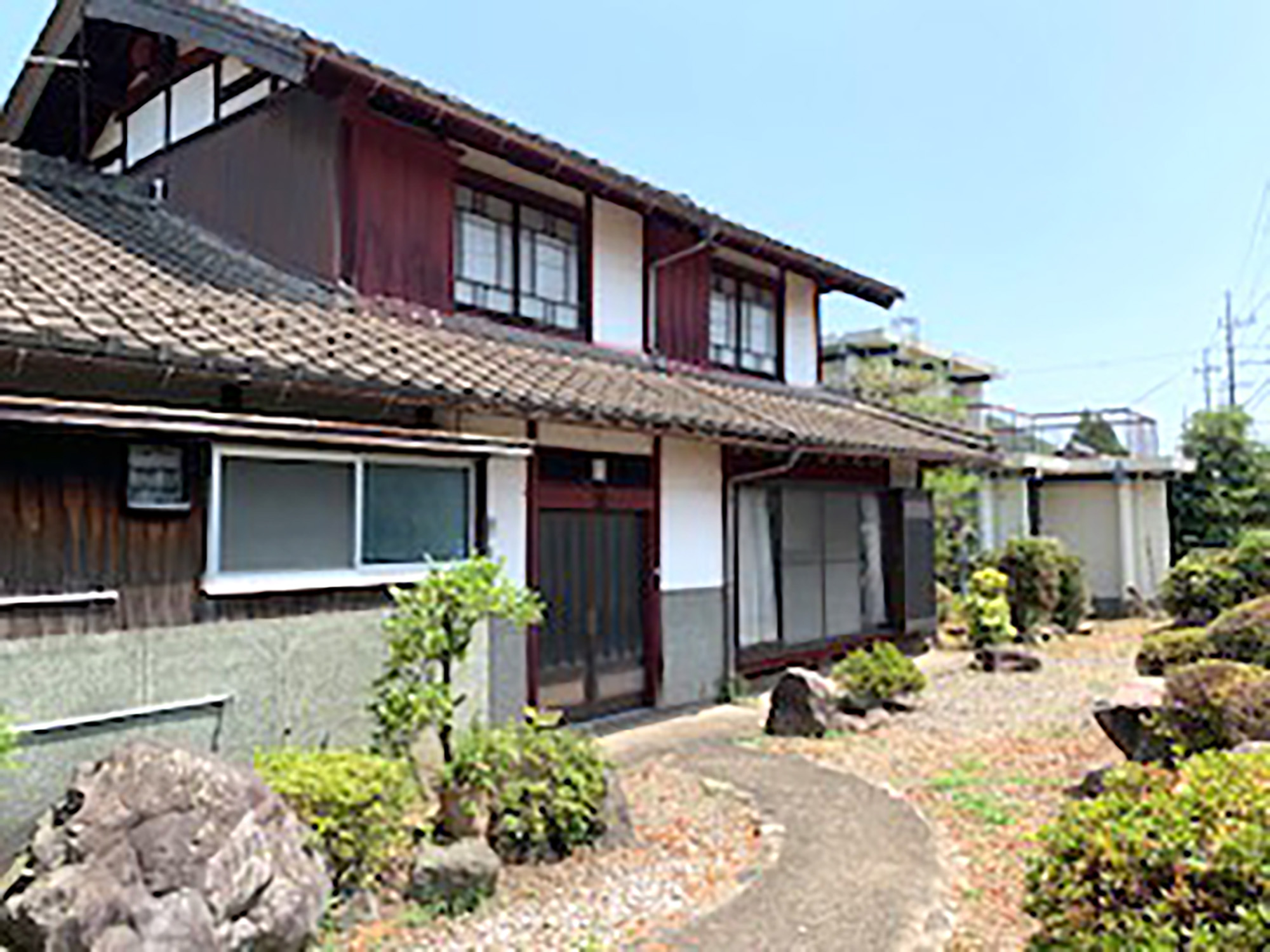
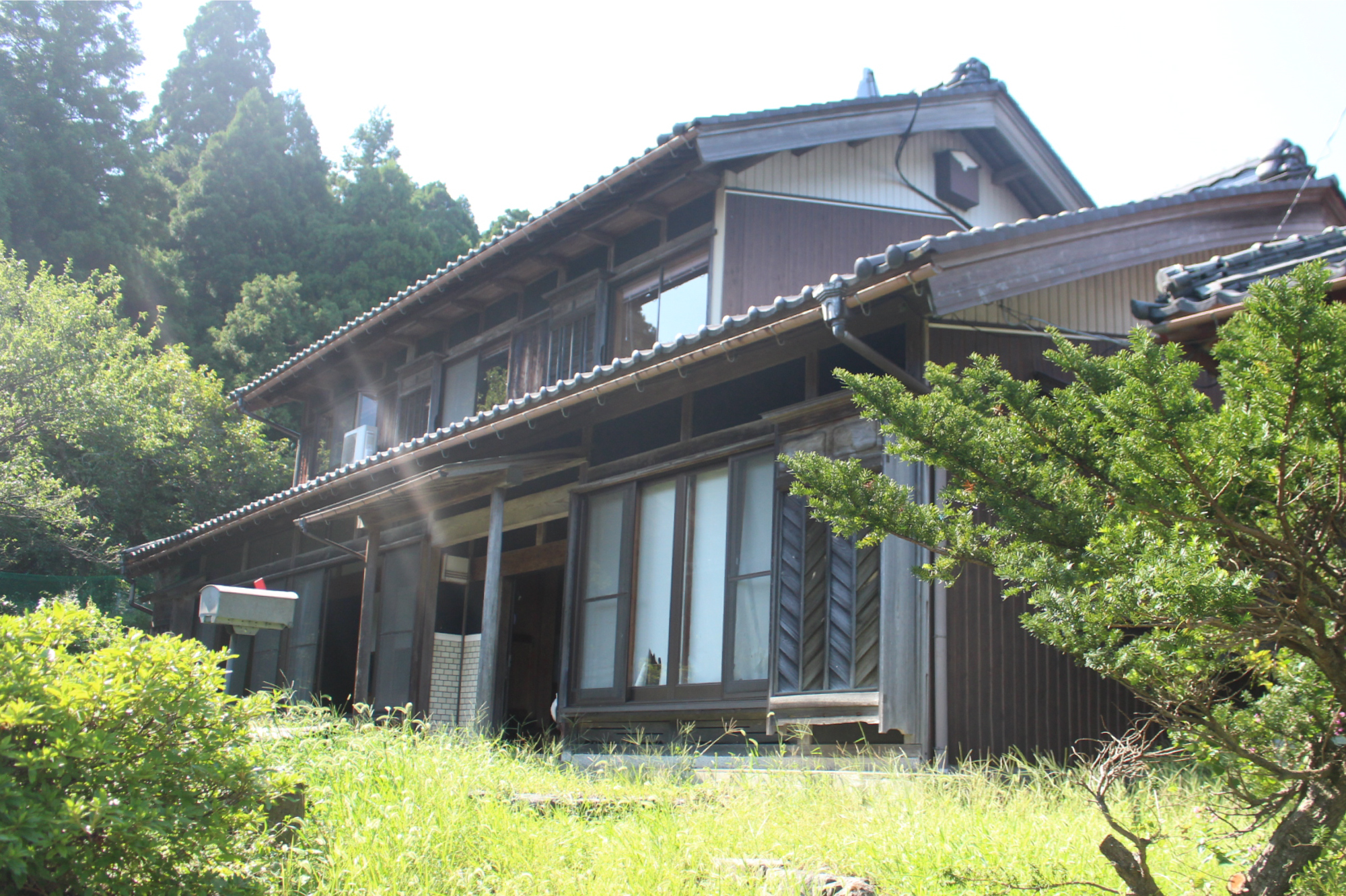
From the listing Would you like to fall in love anew with an ancient 'okudosan' (traditional Japanese stove) that has watched over this home for over 100 years? Turn down a lane leading toward the back of Ibuki and climb a slight slope. While it may be a bit taxing on foot, the vista and sunlight here are excellent. The house stands spaciously alongside a large garden. The first thing that catches your eye is the 'red-stone lantern' in front-right of the house. Though it belongs to the local shrine, it is a magnificent lantern made from locally-sourced red stone. This street was once the heart of the settlement. The history of the community gathering place and landmark can be glimpsed. Along the approach to the house, cherry blossoms (Somei Yoshino), persimmons, and various other trees welcome visitors. During a mid-March site visit, the cherry blossoms were already in bloom, the garden allows one to experience the seasons viscerally. The trees in the garden were planted by the owner and continue to offer seasonal beauty. This garden could become farmland if desired; there is also another field available. The main house is two-stories tall. Just inside the entrance, in the rear, sits a three-opening 'okudosan', it has watched over and nurtured the family and the house's growth for generations. Both the kiln and furnace remain in working order. When the owner's mother was still living, the family's daily meals were cooked on the okudosan. During year-end and New Year gatherings (with over ten children alone!), mochi made from sticky rice steamed in the okudosan was a cherished annual tradition. As a child, the owner was responsible for gathering firewood and tending the fire, quite a difficult task, as it was quite different from simply turning a gas dial. The owner recalls it fondly. While labor-intensive, having fire in the house provides a 'smoking' effect that preserves the structure, an ancient, practical life wisdom. The house's ceiling bears a deep black patina, speaking to the lived history of this wisdom. The owner hopes for new residents who will cherish and maintain this wisdom with care, despite the effort. Indeed, the owner expressed sincere hope that the new occupants would use the okudosan; they would be very pleased, though acknowledging it is quite labor-intensive. The second floor of the main house once housed silkworms ('okaikosama'). Feeding the mulberry leaves was the children's responsibility. When the silkworms grew large, to the size of an adult's pinky, it was somewhat frightening, as heard in accounts. A spinning wheel was present, and sericulture was an off-season handicraft. The bitter memory remains of summer nights when mosquito coils could not be lit, yet it is now recalled fondly. In later years, the space served as storage. The warehouse (kura) sits immediately to the right of the main house. With earthen walls, the interior is cool and ideal for preserving items. It housed three large wooden chests; kimono and formal family crests rested peacefully within. Many fine paulownia chests, ceremonial lacquerware, dishes, and serving tables fill the space, a warehouse packed tight with the traditions and history of the family and region's events. Returning to an earlier point: the main house entrance retains both a wooden door and modern sash windows. Historically, closure was achieved with the wooden door and sliding screens (shoji). There was a custom of slightly 'tearing' the top portion of the shoji, why? So that swallows could build nests inside the house. It brings good fortune. The local community enjoys sharing such folk beliefs warmly. This place radiates not just the physical warmth of sunlight but the warmth of human connection, a feeling of comfort and ease. This house sits at the midpoint of a slope with excellent vistas. Below lie fields, a stream, and abundant natural play areas. According to the owner, summers were spent entirely at the stream; fish (sweetfish and Japanese char) were once so abundant they clung to legs. Even now, confidence in the water's abundance is high, and crops thrive on its blessings, a setting where one can experience nature's gifts firsthand. While winter's severity must be accepted (average snow accumulation: about 50 cm), that snow flows into streams, becoming nourishment. The owner hopes to share this value with someone who will fall in love with the people, the land, the environment, and the house.
Specifications
Where a detail is not shown, the source listing did not state it. We leave it out rather than guess.

The price in context
The nearest official land-price benchmark is about 10,100 yen per sqm, down about 14% over five years (11,800 to 10,100), which the survey classes as declining.
Source: Japan's Ministry of Land land-price survey. A benchmark for the area, not a valuation of this home.

Area and hazard data
3 checks clear, 1 to know about, 1 not applicable. Each check is against a government map for this exact point. Where a map is missing or we can't use it, we say so; that never means there's no risk.
To know about
Landslide risk
CautionIn a yellow (caution) landslide zone (1 zone(s)). Expect a surveyor to look at the slope behind the house. Zone edges are approximate, and this is not a legal property disclosure document.
Source: Government hazard map
Checks clear
-
Strong-earthquake chance
Checked, clearAbout 4% chance of a strong quake (shindo 6-lower or above) in 30 years, low for Japan, where most places sit between 3% and 26%
Source: National earthquake-hazard model
-
Flood risk
Checked, clearChecked: outside a mapped flood area. The maps cover designated rivers only, so this is not a promise of no flooding.
Source: Government hazard map
-
Liquefaction
Checked, clearLow liquefaction susceptibility for the ground here
Source: National landform survey
Not checked or not applicable
-
Tsunami risk
Not applicableInland, no tsunami map. This home is in a prefecture with no coast.

Location
This marks an approximate area, not the exact building. The circle is a rough radius from the listing's published address, so you can see the neighbourhood without us guessing at a precise spot. The published address only names the neighbourhood.

Rules of this akiya bank
These are the bank's published eligibility rules, not confirmation that your intended use of this home is allowed. Check with the municipality and owner.
We have not established these rules for this listing. Unknown does not mean permitted.
-
Bank rule on living in the home
Unknown. No published residence rule has been established for this listing.
The bank or the town can say whether buyers are expected to live in the home.
-
Bank rule on business use
Unknown. No published business-use rule has been established for this listing.
The bank can say whether guest stays fit its rules.
-
Bank rule on resale
Unknown. No published resale rule has been established for this listing.
The bank can say whether a resale restriction applies.

Thinking of renting it out?
What the published rules and maps say about letting this home to short-stay guests, line by line, with sources. This is not a verdict or advice. The town, the bank and the licensing office have the final word.
In Japan, home-sharing (minpaku) under the national home-sharing law is capped at 180 nights a year. A ryokan or inn licence is a separate route with its own building and zoning rules.
-
Local home-sharing ordinance
Shiga Prefecture has an ordinance that limits where or when home-sharing runs.
On top of the 180-night national cap, the ordinance can rule out some areas or periods, so the exact address matters.
Japan Tourism Agency ordinance listList dated 2021-04-01
-
Zoning for hotels and inns
Unknown. Zoning data for this spot is not loaded yet.
Unknown does not mean permitted. The town's planning desk holds the zoning map.
-
Urbanisation control area
Unknown. Area division data is not available for this spot.
Unknown does not mean permitted. The town's planning desk can say whether the home is in an urbanisation control area.
-
Heavy-snow designation
Unknown. The heavy-snow map is not checked for this spot.
The town can say how much snow falls and who clears the road.
-
Distance to an airport and the shinkansen
Nearest airport about 50.9 km, nearest shinkansen station about 12.5 km, in a straight line.
How easily guests arrive shapes demand. Road and rail journeys are longer than these distances.
Airports (MLIT)FY2021 data, read 2026-10-04
Rail stations (MLIT)FY2025 data, read 2026-10-04

Grants and rules
2 programmes in our data could apply to this home, all with conditions you would have to meet first. Amounts change every year. Always confirm with the town before you rely on a figure.
-
Regional Revitalization Migration Support Program (Household)
Up to 1,000,000 yenWhat you would need
Base amount for household migration: up to 1 million yen. Additional 1 million yen per child under 18 may be added (stackable add-on, not included in base cap).
- Resident of Tokyo 23 wards or commuting to Tokyo 23 wards from Tokyo Metropolitan Area (excluding disadvantaged regions)
- Plus 3 more conditions on the town's page.
-
Regional Revitalization Migration Support Program (Single)
Up to 600,000 yenWhat you would need
Base amount for single migration: up to 600,000 yen.
- Resident of Tokyo 23 wards or commuting to Tokyo 23 wards from Tokyo Metropolitan Area (excluding disadvantaged regions)
- Plus 3 more conditions on the town's page.
Official source for Regional Revitalization Migration Support Program (Single) (opens in a new tab)

How to buy: through the town.
This home is on the Maibara akiya bank. The town puts you in touch with the seller and explains its rules.
If the town says a local estate agent handles the sale, Koryoya can help you in English. Ask us.
- Free to ask us. We read the listing with you, help with the Japanese and explain each step.
- There are always some costs, such as registration and legal fees, even for a free house.
Interested in this house?
A founder replies by email. Free to ask.
Similar homes in Maibara
12 other homes currently listed in Maibara. See all homes in Shiga.
Alert me about homes near this one
Leave your email and we will send you one email a week with the new homes in Maibara, Shiga, only when there are some. We will email you once first so you can confirm it is you. Unsubscribe in one click.
Before you buy
Where this data comes from
Every fact on this page comes from the town's own listing or an official government record, checked for this address. Where a fact is missing, we say so rather than guess.
- Landslide-risk areas, from Japan's Ministry of Land mapping data (KSJ A33).
- Flood-risk areas, from Japan's Ministry of Land mapping data (KSJ A31a).
- Earthquake-hazard forecast, from the national J-SHIS model (2024).
- Stations, coastline and schools, from Japan's Ministry of Land mapping data.
- Official land prices, from Japan's Ministry of Land land-price survey.
Map data: National Land Numerical Information (Kokudo Suchi Joho), Ministry of Land, Infrastructure, Transport and Tourism, processed by Engawa.
出典:「国土数値情報」(国土交通省)(https://nlftp.mlit.go.jp/ksj/)をEngawaが加工して作成
We re-check listings against their sources through the week. Where a fact is missing, we say so rather than guess. Data from the source listing plus official government records.